


High Voltage Capacitor Market Trends Driven by Renewable Energy and Grid Modernization
The high voltage capacitor market is undergoing a period of significant transformation, driven by global energy transitions, technological advancements, and increasing demand for efficient power systems. These capacitors, essential for voltage stabilization, energy storage, and power factor correction, are becoming increasingly critical in modern electrical infrastructure. As industries and governments push toward sustainability and electrification, the market is adapting rapidly to meet new expectations.
Learn More:- https://www.pristinemarketinsights.com/high-voltage-capacitor-market-report
Rising Demand from Renewable Energy Integration
One of the most influential shifts in the high voltage capacitor market is the surge in renewable energy adoption. Wind farms, solar power plants, and hybrid energy systems require efficient voltage management to maintain grid stability. High voltage capacitors play a vital role in smoothing power fluctuations and ensuring consistent energy delivery.
As renewable installations grow in scale and complexity, there is an increased need for capacitors capable of handling variable loads and high voltages. This has led manufacturers to innovate products with enhanced durability, higher capacitance, and improved thermal performance. The shift toward decentralized energy systems further amplifies the importance of these components in maintaining reliable power distribution.
Expansion of Transmission and Distribution Infrastructure
Global investments in transmission and distribution (T&D) infrastructure are reshaping the market landscape. Aging grid systems in many regions are being upgraded, while developing economies are building new networks to support industrialization and urbanization.
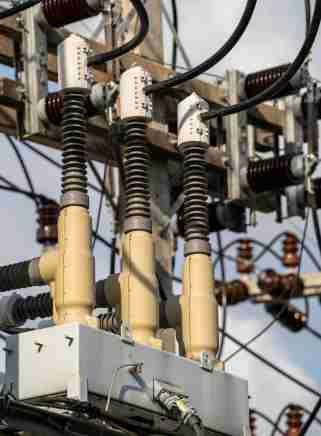
High voltage capacitors are essential in these systems for voltage regulation and reducing transmission losses. Utilities are increasingly deploying capacitor banks in substations and along transmission lines to improve efficiency. This infrastructure expansion is not only boosting demand but also encouraging innovation in compact, high-performance capacitor designs that can operate in diverse environmental conditions.
Electrification of Transportation Systems
The electrification of transportation, particularly railways and electric vehicles (EVs), is another key driver of market shifts. High voltage capacitors are used in traction systems, onboard power electronics, and charging infrastructure. They help manage power flow, reduce energy losses, and enhance system reliability.
As EV adoption accelerates globally, the need for fast-charging stations and robust grid support systems is increasing. Capacitors capable of handling high voltage surges and rapid charge-discharge cycles are becoming indispensable. This trend is pushing manufacturers to develop advanced materials and designs that can meet the rigorous demands of modern transportation systems.
Technological Advancements and Material Innovation
Innovation in materials and manufacturing processes is significantly influencing the high voltage capacitor market. Traditional dielectric materials are being replaced or enhanced with advanced alternatives that offer better performance, longer lifespan, and improved safety.
For instance, the use of polymer-based dielectrics and environmentally friendly insulating fluids is gaining traction. These innovations not only improve efficiency but also align with stricter environmental regulations. Additionally, advancements in nanotechnology are enabling the development of capacitors with higher energy density and reduced size, making them suitable for space-constrained applications.
Increasing Focus on Energy Efficiency and Power Quality
Energy efficiency has become a central concern for industries and utilities alike. High voltage capacitors contribute to improved power factor correction, which reduces energy losses and lowers electricity costs. As organizations aim to optimize energy consumption, the demand for high-performance capacitors continues to rise.
Power quality is another critical factor driving market growth. Voltage fluctuations, harmonics, and power interruptions can lead to equipment damage and operational inefficiencies. High voltage capacitors help mitigate these issues, ensuring stable and reliable power supply across various applications, including manufacturing, data centers, and commercial buildings.
Growth in Industrial and Commercial Applications
Industrial sectors such as oil and gas, mining, and heavy manufacturing are significant consumers of high voltage capacitors. These industries require stable power systems to operate large machinery and maintain continuous production processes.
Similarly, commercial applications, including large office complexes, hospitals, and data centers, rely on capacitors for efficient energy management. The growing demand for uninterrupted power supply and energy optimization in these sectors is contributing to steady market expansion.
Regional Market Shifts and Emerging Economies
Geographically, the high voltage capacitor market is witnessing notable shifts. Emerging economies in Asia-Pacific, Latin America, and Africa are becoming key growth regions due to rapid urbanization and industrial development. Governments in these regions are investing heavily in power infrastructure, creating substantial opportunities for capacitor manufacturers.
Meanwhile, developed regions are focusing on grid modernization and the integration of smart technologies. This includes the deployment of smart grids, which require advanced capacitor systems for real-time voltage control and energy management. These regional dynamics are shaping the competitive landscape and influencing strategic decisions across the industry.
Environmental Regulations and Sustainability Trends
Environmental considerations are playing an increasingly important role in market evolution. Regulations aimed at reducing carbon emissions and promoting sustainable practices are influencing the design and production of high voltage capacitors.
Manufacturers are moving toward eco-friendly materials and production methods to comply with these regulations. The elimination of hazardous substances and the adoption of recyclable components are becoming standard practices. This shift not only addresses environmental concerns but also enhances the market appeal of modern capacitor solutions.
Challenges and Market Constraints
Despite strong growth prospects, the high voltage capacitor market faces several challenges. Fluctuations in raw material prices can impact production costs and profit margins. Additionally, the complexity of high voltage systems requires rigorous testing and quality assurance, which can increase manufacturing time and expenses.
Another challenge is the need for skilled professionals to design, install, and maintain capacitor systems. As technology becomes more advanced, the demand for specialized expertise continues to grow, creating potential bottlenecks in project execution.
Future Outlook and Strategic Opportunities
Looking ahead, the high voltage capacitor market is poised for sustained growth, driven by ongoing energy transitions and technological progress. The increasing adoption of renewable energy, expansion of electric transportation, and modernization of power grids will continue to create new opportunities.
Companies that invest in research and development, focus on sustainability, and adapt to changing market demands are likely to gain a competitive edge. Strategic partnerships, innovation in materials, and the development of smart capacitor solutions will play a crucial role in shaping the future of the market.
Conclusion
The high voltage capacitor market is evolving rapidly, influenced by a combination of technological, economic, and environmental factors. From renewable energy integration to grid modernization and transportation electrification, these capacitors are becoming indispensable components of modern power systems.
As the world moves toward a more sustainable and electrified future, the role of high voltage capacitors will only grow in importance. Understanding these market shifts is essential for stakeholders aiming to navigate the changing landscape and capitalize on emerging opportunities.
The high voltage capacitor market is undergoing a period of significant transformation, driven by global energy transitions, technological advancements, and increasing demand for efficient power systems. These capacitors, essential for voltage stabilization, energy storage, and power factor correction, are becoming increasingly critical in modern electrical infrastructure. As industries and governments push toward sustainability and electrification, the market is adapting rapidly to meet new expectations.
Learn More:- https://www.pristinemarketinsights.com/high-voltage-capacitor-market-report
Rising Demand from Renewable Energy Integration
One of the most influential shifts in the high voltage capacitor market is the surge in renewable energy adoption. Wind farms, solar power plants, and hybrid energy systems require efficient voltage management to maintain grid stability. High voltage capacitors play a vital role in smoothing power fluctuations and ensuring consistent energy delivery.
As renewable installations grow in scale and complexity, there is an increased need for capacitors capable of handling variable loads and high voltages. This has led manufacturers to innovate products with enhanced durability, higher capacitance, and improved thermal performance. The shift toward decentralized energy systems further amplifies the importance of these components in maintaining reliable power distribution.
Expansion of Transmission and Distribution Infrastructure
Global investments in transmission and distribution (T&D) infrastructure are reshaping the market landscape. Aging grid systems in many regions are being upgraded, while developing economies are building new networks to support industrialization and urbanization.
High voltage capacitors are essential in these systems for voltage regulation and reducing transmission losses. Utilities are increasingly deploying capacitor banks in substations and along transmission lines to improve efficiency. This infrastructure expansion is not only boosting demand but also encouraging innovation in compact, high-performance capacitor designs that can operate in diverse environmental conditions.
Electrification of Transportation Systems
The electrification of transportation, particularly railways and electric vehicles (EVs), is another key driver of market shifts. High voltage capacitors are used in traction systems, onboard power electronics, and charging infrastructure. They help manage power flow, reduce energy losses, and enhance system reliability.
As EV adoption accelerates globally, the need for fast-charging stations and robust grid support systems is increasing. Capacitors capable of handling high voltage surges and rapid charge-discharge cycles are becoming indispensable. This trend is pushing manufacturers to develop advanced materials and designs that can meet the rigorous demands of modern transportation systems.
Technological Advancements and Material Innovation
Innovation in materials and manufacturing processes is significantly influencing the high voltage capacitor market. Traditional dielectric materials are being replaced or enhanced with advanced alternatives that offer better performance, longer lifespan, and improved safety.
For instance, the use of polymer-based dielectrics and environmentally friendly insulating fluids is gaining traction. These innovations not only improve efficiency but also align with stricter environmental regulations. Additionally, advancements in nanotechnology are enabling the development of capacitors with higher energy density and reduced size, making them suitable for space-constrained applications.
Increasing Focus on Energy Efficiency and Power Quality
Energy efficiency has become a central concern for industries and utilities alike. High voltage capacitors contribute to improved power factor correction, which reduces energy losses and lowers electricity costs. As organizations aim to optimize energy consumption, the demand for high-performance capacitors continues to rise.
Power quality is another critical factor driving market growth. Voltage fluctuations, harmonics, and power interruptions can lead to equipment damage and operational inefficiencies. High voltage capacitors help mitigate these issues, ensuring stable and reliable power supply across various applications, including manufacturing, data centers, and commercial buildings.
Growth in Industrial and Commercial Applications
Industrial sectors such as oil and gas, mining, and heavy manufacturing are significant consumers of high voltage capacitors. These industries require stable power systems to operate large machinery and maintain continuous production processes.
Similarly, commercial applications, including large office complexes, hospitals, and data centers, rely on capacitors for efficient energy management. The growing demand for uninterrupted power supply and energy optimization in these sectors is contributing to steady market expansion.
Regional Market Shifts and Emerging Economies
Geographically, the high voltage capacitor market is witnessing notable shifts. Emerging economies in Asia-Pacific, Latin America, and Africa are becoming key growth regions due to rapid urbanization and industrial development. Governments in these regions are investing heavily in power infrastructure, creating substantial opportunities for capacitor manufacturers.
Meanwhile, developed regions are focusing on grid modernization and the integration of smart technologies. This includes the deployment of smart grids, which require advanced capacitor systems for real-time voltage control and energy management. These regional dynamics are shaping the competitive landscape and influencing strategic decisions across the industry.
Environmental Regulations and Sustainability Trends
Environmental considerations are playing an increasingly important role in market evolution. Regulations aimed at reducing carbon emissions and promoting sustainable practices are influencing the design and production of high voltage capacitors.
Manufacturers are moving toward eco-friendly materials and production methods to comply with these regulations. The elimination of hazardous substances and the adoption of recyclable components are becoming standard practices. This shift not only addresses environmental concerns but also enhances the market appeal of modern capacitor solutions.
Challenges and Market Constraints
Despite strong growth prospects, the high voltage capacitor market faces several challenges. Fluctuations in raw material prices can impact production costs and profit margins. Additionally, the complexity of high voltage systems requires rigorous testing and quality assurance, which can increase manufacturing time and expenses.
Another challenge is the need for skilled professionals to design, install, and maintain capacitor systems. As technology becomes more advanced, the demand for specialized expertise continues to grow, creating potential bottlenecks in project execution.
Future Outlook and Strategic Opportunities
Looking ahead, the high voltage capacitor market is poised for sustained growth, driven by ongoing energy transitions and technological progress. The increasing adoption of renewable energy, expansion of electric transportation, and modernization of power grids will continue to create new opportunities.
Companies that invest in research and development, focus on sustainability, and adapt to changing market demands are likely to gain a competitive edge. Strategic partnerships, innovation in materials, and the development of smart capacitor solutions will play a crucial role in shaping the future of the market.
Conclusion
The high voltage capacitor market is evolving rapidly, influenced by a combination of technological, economic, and environmental factors. From renewable energy integration to grid modernization and transportation electrification, these capacitors are becoming indispensable components of modern power systems.
As the world moves toward a more sustainable and electrified future, the role of high voltage capacitors will only grow in importance. Understanding these market shifts is essential for stakeholders aiming to navigate the changing landscape and capitalize on emerging opportunities.
High Voltage Capacitor Market Trends Driven by Renewable Energy and Grid Modernization The high voltage capacitor market is undergoing a period of significant transformation, driven by global energy transitions, technological advancements, and increasing demand for efficient power systems. These capacitors, essential for voltage stabilization, energy storage, and power factor correction, are becoming increasingly critical in modern electrical infrastructure. As industries and governments push toward sustainability and electrification, the market is adapting rapidly to meet new expectations. Learn More:- https://www.pristinemarketinsights.com/high-voltage-capacitor-market-report Rising Demand from Renewable Energy Integration One of the most influential shifts in the high voltage capacitor market is the surge in renewable energy adoption. Wind farms, solar power plants, and hybrid energy systems require efficient voltage management to maintain grid stability. High voltage capacitors play a vital role in smoothing power fluctuations and ensuring consistent energy delivery. As renewable installations grow in scale and complexity, there is an increased need for capacitors capable of handling variable loads and high voltages. This has led manufacturers to innovate products with enhanced durability, higher capacitance, and improved thermal performance. The shift toward decentralized energy systems further amplifies the importance of these components in maintaining reliable power distribution. Expansion of Transmission and Distribution Infrastructure Global investments in transmission and distribution (T&D) infrastructure are reshaping the market landscape. Aging grid systems in many regions are being upgraded, while developing economies are building new networks to support industrialization and urbanization. High voltage capacitors are essential in these systems for voltage regulation and reducing transmission losses. Utilities are increasingly deploying capacitor banks in substations and along transmission lines to improve efficiency. This infrastructure expansion is not only boosting demand but also encouraging innovation in compact, high-performance capacitor designs that can operate in diverse environmental conditions. Electrification of Transportation Systems The electrification of transportation, particularly railways and electric vehicles (EVs), is another key driver of market shifts. High voltage capacitors are used in traction systems, onboard power electronics, and charging infrastructure. They help manage power flow, reduce energy losses, and enhance system reliability. As EV adoption accelerates globally, the need for fast-charging stations and robust grid support systems is increasing. Capacitors capable of handling high voltage surges and rapid charge-discharge cycles are becoming indispensable. This trend is pushing manufacturers to develop advanced materials and designs that can meet the rigorous demands of modern transportation systems. Technological Advancements and Material Innovation Innovation in materials and manufacturing processes is significantly influencing the high voltage capacitor market. Traditional dielectric materials are being replaced or enhanced with advanced alternatives that offer better performance, longer lifespan, and improved safety. For instance, the use of polymer-based dielectrics and environmentally friendly insulating fluids is gaining traction. These innovations not only improve efficiency but also align with stricter environmental regulations. Additionally, advancements in nanotechnology are enabling the development of capacitors with higher energy density and reduced size, making them suitable for space-constrained applications. Increasing Focus on Energy Efficiency and Power Quality Energy efficiency has become a central concern for industries and utilities alike. High voltage capacitors contribute to improved power factor correction, which reduces energy losses and lowers electricity costs. As organizations aim to optimize energy consumption, the demand for high-performance capacitors continues to rise. Power quality is another critical factor driving market growth. Voltage fluctuations, harmonics, and power interruptions can lead to equipment damage and operational inefficiencies. High voltage capacitors help mitigate these issues, ensuring stable and reliable power supply across various applications, including manufacturing, data centers, and commercial buildings. Growth in Industrial and Commercial Applications Industrial sectors such as oil and gas, mining, and heavy manufacturing are significant consumers of high voltage capacitors. These industries require stable power systems to operate large machinery and maintain continuous production processes. Similarly, commercial applications, including large office complexes, hospitals, and data centers, rely on capacitors for efficient energy management. The growing demand for uninterrupted power supply and energy optimization in these sectors is contributing to steady market expansion. Regional Market Shifts and Emerging Economies Geographically, the high voltage capacitor market is witnessing notable shifts. Emerging economies in Asia-Pacific, Latin America, and Africa are becoming key growth regions due to rapid urbanization and industrial development. Governments in these regions are investing heavily in power infrastructure, creating substantial opportunities for capacitor manufacturers. Meanwhile, developed regions are focusing on grid modernization and the integration of smart technologies. This includes the deployment of smart grids, which require advanced capacitor systems for real-time voltage control and energy management. These regional dynamics are shaping the competitive landscape and influencing strategic decisions across the industry. Environmental Regulations and Sustainability Trends Environmental considerations are playing an increasingly important role in market evolution. Regulations aimed at reducing carbon emissions and promoting sustainable practices are influencing the design and production of high voltage capacitors. Manufacturers are moving toward eco-friendly materials and production methods to comply with these regulations. The elimination of hazardous substances and the adoption of recyclable components are becoming standard practices. This shift not only addresses environmental concerns but also enhances the market appeal of modern capacitor solutions. Challenges and Market Constraints Despite strong growth prospects, the high voltage capacitor market faces several challenges. Fluctuations in raw material prices can impact production costs and profit margins. Additionally, the complexity of high voltage systems requires rigorous testing and quality assurance, which can increase manufacturing time and expenses. Another challenge is the need for skilled professionals to design, install, and maintain capacitor systems. As technology becomes more advanced, the demand for specialized expertise continues to grow, creating potential bottlenecks in project execution. Future Outlook and Strategic Opportunities Looking ahead, the high voltage capacitor market is poised for sustained growth, driven by ongoing energy transitions and technological progress. The increasing adoption of renewable energy, expansion of electric transportation, and modernization of power grids will continue to create new opportunities. Companies that invest in research and development, focus on sustainability, and adapt to changing market demands are likely to gain a competitive edge. Strategic partnerships, innovation in materials, and the development of smart capacitor solutions will play a crucial role in shaping the future of the market. Conclusion The high voltage capacitor market is evolving rapidly, influenced by a combination of technological, economic, and environmental factors. From renewable energy integration to grid modernization and transportation electrification, these capacitors are becoming indispensable components of modern power systems. As the world moves toward a more sustainable and electrified future, the role of high voltage capacitors will only grow in importance. Understanding these market shifts is essential for stakeholders aiming to navigate the changing landscape and capitalize on emerging opportunities.
0 Commenti
0 condivisioni
6 Views
0 Anteprima

 English
 Arabic
 French
 Spanish
 Portuguese
 Deutsch
 Turkish
 Dutch
Dutch
 Russian
 Romaian
 Portuguese (Brazil)
 Greek
Greek