



-
20 Posts
-
15 Photos
-
0 Videos
-
Male
-
30/11/2000
-
Followed by 24 people
Search

 Arabic
 French
 Spanish
 Portuguese
 Deutsch
 Turkish
 Dutch
Dutch
 Italiano
 Russian
 Romaian
 Portuguese (Brazil)
 Greek
Greek
Recent Updates
-
Flavored Butter Market Demand Trends Growth Drivers And Consumer Preferences Worldwide Analysis Report
Introduction
Flavored butter has evolved from a niche culinary indulgence into a widely embraced food ingredient across households, bakeries, restaurants, and packaged food industries. Its versatility, ease of use, and ability to enhance taste profiles have significantly increased its popularity in recent years. The global appetite for convenient yet premium-tasting food products has encouraged manufacturers to experiment with herbs, spices, fruits, and savory blends in butter formulations. This shift reflects changing consumer lifestyles, where quick meal solutions do not compromise on flavor or quality. The increasing demand for gourmet-style home cooking has further strengthened the appeal of flavored butter in everyday diets.
Rising Consumer Preference for Gourmet Spreads
Modern consumers are increasingly seeking restaurant-style flavors at home, driving strong interest in premium spreads. Flavored butter offers a simple way to elevate everyday meals such as bread, grilled vegetables, pasta, and meats. Urbanization and rising disposable incomes have contributed to this shift, as consumers are more willing to spend on value-added food experiences. Social media influence and cooking shows have also played a role in popularizing gourmet cooking trends, encouraging experimentation with new tastes. As a result, households are steadily incorporating flavored butter into regular consumption patterns, boosting overall category growth.
Innovation in Flavors and Product Diversification
Manufacturers are continuously innovating to cater to diverse taste preferences across regions. From garlic and herb blends to chili, truffle, honey, and cinnamon variants, product portfolios are expanding rapidly. Seasonal and limited-edition flavors are also being introduced to attract experimental consumers. This innovation-driven approach has significantly strengthened Flavored Butter Market Demand in both retail and foodservice sectors. Companies are also focusing on plant-based and lactose-free alternatives to accommodate dietary restrictions and vegan preferences. Packaging innovations, such as easy-spread tubs and portion-controlled formats, further enhance convenience and usability, making the product more appealing to modern buyers.
Expanding Foodservice and Retail Applications
The foodservice industry plays a crucial role in driving the consumption of flavored butter. Restaurants, cafes, hotels, and bakeries use it to enhance menu offerings and create signature dishes. It is commonly used in steaks, sauces, baked goods, and grilled items, adding depth and richness to flavors. In retail, supermarkets and specialty stores are expanding shelf space for premium butter variants due to increasing consumer interest. The rise of online grocery platforms has also improved accessibility, allowing consumers to explore a wider range of products. This dual-channel expansion is strengthening market penetration and encouraging repeat purchases.
Health Consciousness and Clean Label Influence
Health-conscious consumers are reshaping the food industry by demanding cleaner labels and natural ingredients. In response, manufacturers are reducing artificial additives and focusing on organic, grass-fed, and minimally processed butter bases. Functional ingredients such as antioxidant-rich herbs and natural oils are being incorporated to enhance perceived health benefits. Portion control and reduced-fat variants are also gaining traction among calorie-conscious consumers. These developments align with broader wellness trends, where indulgence and health are balanced carefully. Transparency in sourcing and production methods is becoming a key factor influencing purchasing decisions.
Conclusion
The flavored butter segment continues to grow as consumer preferences evolve toward premium, convenient, and versatile food products. Its widespread adoption across households and commercial kitchens highlights its strong culinary value and adaptability. With continuous innovation, expanding distribution channels, and rising interest in gourmet experiences, the category is expected to maintain steady momentum. Overall, the combination of taste enhancement, convenience, and evolving dietary preferences ensures sustained interest and expansion in this dynamic food segment.
Learn more about - https://www.pristinemarketinsights.com/flavored-butter-market-reportFlavored Butter Market Demand Trends Growth Drivers And Consumer Preferences Worldwide Analysis Report Introduction Flavored butter has evolved from a niche culinary indulgence into a widely embraced food ingredient across households, bakeries, restaurants, and packaged food industries. Its versatility, ease of use, and ability to enhance taste profiles have significantly increased its popularity in recent years. The global appetite for convenient yet premium-tasting food products has encouraged manufacturers to experiment with herbs, spices, fruits, and savory blends in butter formulations. This shift reflects changing consumer lifestyles, where quick meal solutions do not compromise on flavor or quality. The increasing demand for gourmet-style home cooking has further strengthened the appeal of flavored butter in everyday diets. Rising Consumer Preference for Gourmet Spreads Modern consumers are increasingly seeking restaurant-style flavors at home, driving strong interest in premium spreads. Flavored butter offers a simple way to elevate everyday meals such as bread, grilled vegetables, pasta, and meats. Urbanization and rising disposable incomes have contributed to this shift, as consumers are more willing to spend on value-added food experiences. Social media influence and cooking shows have also played a role in popularizing gourmet cooking trends, encouraging experimentation with new tastes. As a result, households are steadily incorporating flavored butter into regular consumption patterns, boosting overall category growth. Innovation in Flavors and Product Diversification Manufacturers are continuously innovating to cater to diverse taste preferences across regions. From garlic and herb blends to chili, truffle, honey, and cinnamon variants, product portfolios are expanding rapidly. Seasonal and limited-edition flavors are also being introduced to attract experimental consumers. This innovation-driven approach has significantly strengthened Flavored Butter Market Demand in both retail and foodservice sectors. Companies are also focusing on plant-based and lactose-free alternatives to accommodate dietary restrictions and vegan preferences. Packaging innovations, such as easy-spread tubs and portion-controlled formats, further enhance convenience and usability, making the product more appealing to modern buyers. Expanding Foodservice and Retail Applications The foodservice industry plays a crucial role in driving the consumption of flavored butter. Restaurants, cafes, hotels, and bakeries use it to enhance menu offerings and create signature dishes. It is commonly used in steaks, sauces, baked goods, and grilled items, adding depth and richness to flavors. In retail, supermarkets and specialty stores are expanding shelf space for premium butter variants due to increasing consumer interest. The rise of online grocery platforms has also improved accessibility, allowing consumers to explore a wider range of products. This dual-channel expansion is strengthening market penetration and encouraging repeat purchases. Health Consciousness and Clean Label Influence Health-conscious consumers are reshaping the food industry by demanding cleaner labels and natural ingredients. In response, manufacturers are reducing artificial additives and focusing on organic, grass-fed, and minimally processed butter bases. Functional ingredients such as antioxidant-rich herbs and natural oils are being incorporated to enhance perceived health benefits. Portion control and reduced-fat variants are also gaining traction among calorie-conscious consumers. These developments align with broader wellness trends, where indulgence and health are balanced carefully. Transparency in sourcing and production methods is becoming a key factor influencing purchasing decisions. Conclusion The flavored butter segment continues to grow as consumer preferences evolve toward premium, convenient, and versatile food products. Its widespread adoption across households and commercial kitchens highlights its strong culinary value and adaptability. With continuous innovation, expanding distribution channels, and rising interest in gourmet experiences, the category is expected to maintain steady momentum. Overall, the combination of taste enhancement, convenience, and evolving dietary preferences ensures sustained interest and expansion in this dynamic food segment. Learn more about - https://www.pristinemarketinsights.com/flavored-butter-market-report 0 Comments 0 Shares 6 Views 0 Reviews
 -
Flavored Beer Market Future Trends Shaping Consumer Preferences, Innovation And Global Demand Growth
Subheading: Evolving Dynamics Reshaping the Beverage Industry Landscape
The global beverage industry is undergoing significant transformation, with flavored beer emerging as a fast-evolving category within alcoholic drinks. Changing consumer preferences, especially among younger demographics, are driving breweries to experiment with fruit-infused, spice-enhanced, and hybrid beer varieties. Flavored Beer Market Future Trends are shaped by rising demand for unique taste experiences, premiumization, and lifestyle-oriented consumption patterns. Consumers are seeking beverages offering refreshment and novelty, pushing manufacturers to innovate beyond traditional lagers and ales.
Evolving Consumer Taste Preferences
Consumer taste preferences are becoming more experimental, with a noticeable shift toward fruit-based, herbal, and exotic flavor profiles. Flavored beers such as citrus wheat, berry-infused lagers, and tropical IPAs are gaining traction. This change is driven by younger legal-age consumers who prioritize variety and personalization in beverage choices. Social media influence and seasonal marketing campaigns further amplify interest in limited-edition flavors.
Innovation in Brewing and Product Development
Technological advancements in brewing techniques have enabled producers to experiment with natural flavor infusions, botanical extracts, and controlled fermentation processes. Innovation is not limited to taste alone but extends to alcohol content variation, calorie reduction, and gluten-free alternatives. Craft brewers are leveraging small-batch production to test new combinations such as mango chili, coffee stout blends, and honey-infused ales. This experimentation helps brands stand out in a highly competitive market.
Market Expansion, Packaging, and Sustainability Trends
The flavored beer segment is witnessing notable changes in packaging formats and distribution strategies. Ready-to-drink cans, multipack offerings, and portable packaging are becoming popular among urban consumers. E-commerce and direct-to-consumer channels are expanding reach, allowing niche brands to access wider audiences. Sustainability is also influencing production decisions, with breweries adopting eco-friendly packaging materials and energy-efficient brewing processes.
Learn more about - https://www.pristinemarketinsights.com/flavored-beer-market-reportFlavored Beer Market Future Trends Shaping Consumer Preferences, Innovation And Global Demand Growth Subheading: Evolving Dynamics Reshaping the Beverage Industry Landscape The global beverage industry is undergoing significant transformation, with flavored beer emerging as a fast-evolving category within alcoholic drinks. Changing consumer preferences, especially among younger demographics, are driving breweries to experiment with fruit-infused, spice-enhanced, and hybrid beer varieties. Flavored Beer Market Future Trends are shaped by rising demand for unique taste experiences, premiumization, and lifestyle-oriented consumption patterns. Consumers are seeking beverages offering refreshment and novelty, pushing manufacturers to innovate beyond traditional lagers and ales. Evolving Consumer Taste Preferences Consumer taste preferences are becoming more experimental, with a noticeable shift toward fruit-based, herbal, and exotic flavor profiles. Flavored beers such as citrus wheat, berry-infused lagers, and tropical IPAs are gaining traction. This change is driven by younger legal-age consumers who prioritize variety and personalization in beverage choices. Social media influence and seasonal marketing campaigns further amplify interest in limited-edition flavors. Innovation in Brewing and Product Development Technological advancements in brewing techniques have enabled producers to experiment with natural flavor infusions, botanical extracts, and controlled fermentation processes. Innovation is not limited to taste alone but extends to alcohol content variation, calorie reduction, and gluten-free alternatives. Craft brewers are leveraging small-batch production to test new combinations such as mango chili, coffee stout blends, and honey-infused ales. This experimentation helps brands stand out in a highly competitive market. Market Expansion, Packaging, and Sustainability Trends The flavored beer segment is witnessing notable changes in packaging formats and distribution strategies. Ready-to-drink cans, multipack offerings, and portable packaging are becoming popular among urban consumers. E-commerce and direct-to-consumer channels are expanding reach, allowing niche brands to access wider audiences. Sustainability is also influencing production decisions, with breweries adopting eco-friendly packaging materials and energy-efficient brewing processes. Learn more about - https://www.pristinemarketinsights.com/flavored-beer-market-report 0 Comments 0 Shares 6 Views 0 Reviews
 -
Film Forming Starches Market Drivers Shaping Global Demand And Industry Growth Outlook
Introduction to Film Forming Starches Market Drivers
Film forming starches have gained significant importance across multiple industries due to their biodegradable nature, functional versatility, and ability to replace synthetic polymers. The Film Forming Starches Market Drivers are primarily influenced by rising environmental concerns, increasing demand for sustainable packaging solutions, and expanding applications in food, pharmaceuticals, and personal care industries. These starches create thin, flexible, and protective films that are widely used for coating, encapsulation, and packaging purposes.
Learn more about - https://www.pristinemarketinsights.com/film-forming-starches-market-reportFilm Forming Starches Market Drivers Shaping Global Demand And Industry Growth Outlook Introduction to Film Forming Starches Market Drivers Film forming starches have gained significant importance across multiple industries due to their biodegradable nature, functional versatility, and ability to replace synthetic polymers. The Film Forming Starches Market Drivers are primarily influenced by rising environmental concerns, increasing demand for sustainable packaging solutions, and expanding applications in food, pharmaceuticals, and personal care industries. These starches create thin, flexible, and protective films that are widely used for coating, encapsulation, and packaging purposes. Learn more about - https://www.pristinemarketinsights.com/film-forming-starches-market-report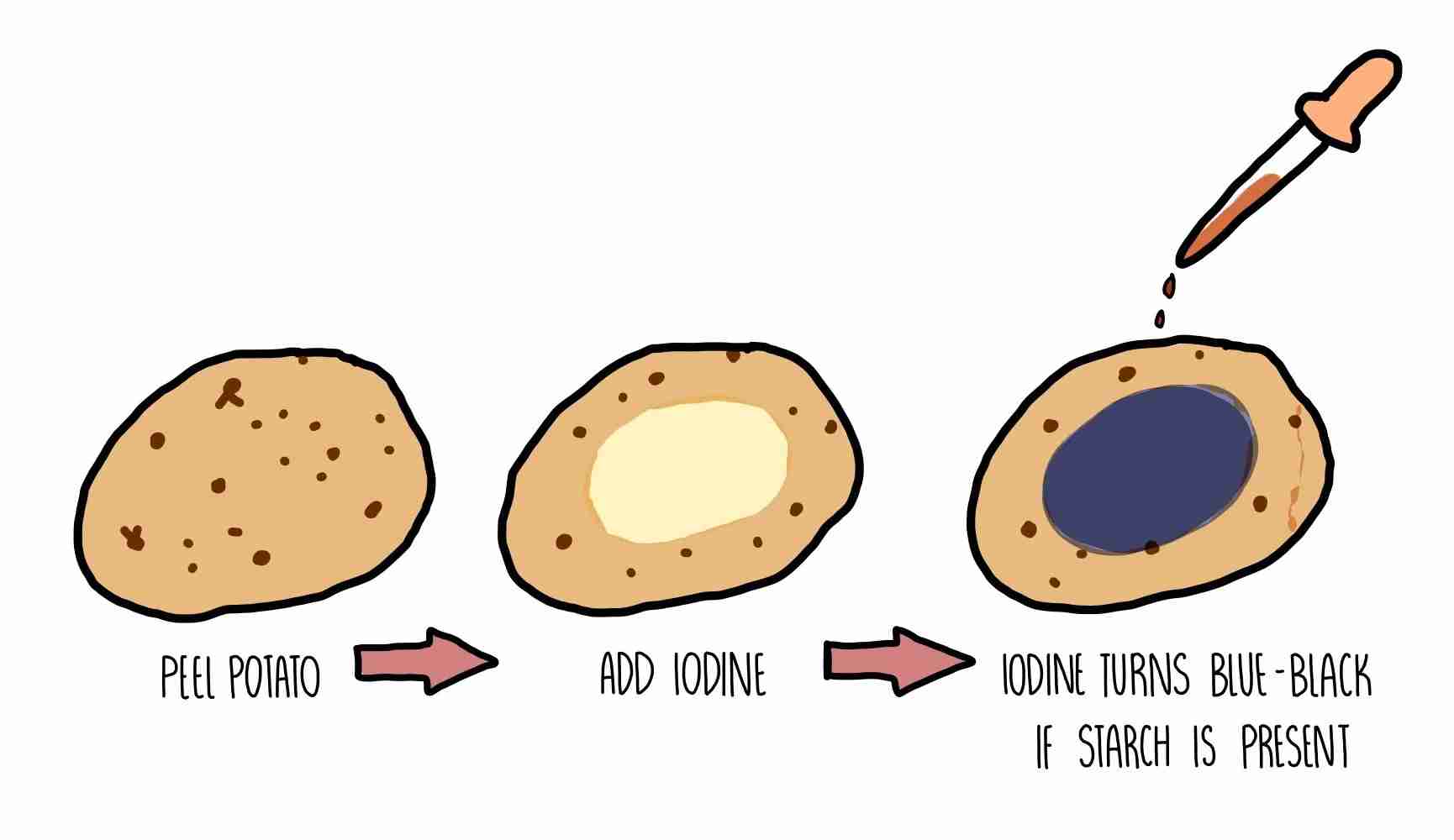 0 Comments 0 Shares 6 Views 0 Reviews
 -
Beauty Devices Market Inhibitors Shaping Growth Barriers Across Global Consumer Technology Industry
Introduction
The beauty devices industry has witnessed remarkable growth over the past decade, driven by rising consumer awareness, technological innovation, and increasing interest in at-home skincare solutions. From facial cleansing brushes to advanced laser-based tools, these devices promise convenience and professional-level results. However, despite the promising outlook, several challenges continue to restrict the market’s full potential. These obstacles play a crucial role in shaping industry dynamics and influencing both manufacturers and consumers.
Learn more about - https://www.pristinemarketinsights.com/beauty-devices-market-reportBeauty Devices Market Inhibitors Shaping Growth Barriers Across Global Consumer Technology Industry Introduction The beauty devices industry has witnessed remarkable growth over the past decade, driven by rising consumer awareness, technological innovation, and increasing interest in at-home skincare solutions. From facial cleansing brushes to advanced laser-based tools, these devices promise convenience and professional-level results. However, despite the promising outlook, several challenges continue to restrict the market’s full potential. These obstacles play a crucial role in shaping industry dynamics and influencing both manufacturers and consumers. Learn more about - https://www.pristinemarketinsights.com/beauty-devices-market-report 0 Comments 0 Shares 5 Views 0 Reviews
 -
Bathtub Market Scope Global Trends Growth Drivers Opportunities And Future Outlook Analysis Report
Introduction
The bathtub industry has evolved significantly from being a basic bathroom fixture to becoming a symbol of comfort, wellness, and modern interior design. Increasing urbanization, rising disposable incomes, and growing awareness of home aesthetics have collectively shaped demand for premium bathroom solutions. Consumers today are more inclined toward products that combine functionality with luxury and relaxation. Bathtubs are now being designed not just for hygiene purposes but also for therapeutic and lifestyle enhancement needs.
Learn more about - https://www.pristinemarketinsights.com/bathtub-market-reportBathtub Market Scope Global Trends Growth Drivers Opportunities And Future Outlook Analysis Report Introduction The bathtub industry has evolved significantly from being a basic bathroom fixture to becoming a symbol of comfort, wellness, and modern interior design. Increasing urbanization, rising disposable incomes, and growing awareness of home aesthetics have collectively shaped demand for premium bathroom solutions. Consumers today are more inclined toward products that combine functionality with luxury and relaxation. Bathtubs are now being designed not just for hygiene purposes but also for therapeutic and lifestyle enhancement needs. Learn more about - https://www.pristinemarketinsights.com/bathtub-market-report 0 Comments 0 Shares 5 Views 0 Reviews
 -
Bakery Improvers Market Demand Driving Growth Across Global Baking Industry Trends Analysis Outlook
Introduction
Bakery improvers are essential functional ingredients used to enhance dough quality, texture, shelf life, and consistency in baked goods. With evolving consumer preferences toward convenient, high-quality bakery products, manufacturers are increasingly focusing on formulation improvements that ensure better taste and longer freshness. The global baking industry is experiencing steady transformation driven by urbanization, changing dietary habits, and rising demand for packaged bakery items. In this context, **Bakery Improvers Market Demand** continues to expand as food producers invest in innovation and efficiency to meet large-scale production needs while maintaining product quality standards.
Overview of Bakery Improvers
Bakery improvers are blends of enzymes, emulsifiers, oxidizing agents, and stabilizers designed to improve dough handling and final product quality. They play a crucial role in ensuring uniformity in baking processes across industrial and artisanal production. These ingredients help enhance volume, crumb structure, softness, and moisture retention in bread, cakes, and pastries. As bakery production scales up globally, the demand for consistent quality has made improvers an integral part of modern baking formulations. Their ability to optimize production efficiency also reduces waste and improves profitability for manufacturers.
Key Drivers of Growth
Several factors are fueling the expansion of bakery improver usage across the food industry. Rising urban populations and busy lifestyles are increasing reliance on ready-to-eat baked goods. Additionally, growing demand for clean-label and high-quality bakery products is pushing manufacturers to adopt advanced formulations. Technological advancements in enzyme and ingredient processing have also enabled more efficient and customized solutions. The expansion of retail chains and foodservice outlets further contributes to higher consumption. Moreover, globalization of food culture is encouraging diverse bakery offerings, strengthening the need for consistent product performance and longer shelf stability.
Applications in Baking Industry
Bakery improvers are widely used in bread, cakes, biscuits, pastries, and frozen dough products. In bread production, they enhance loaf volume and softness, while in cakes and pastries, they improve texture and moisture retention. Industrial bakeries rely heavily on these additives to maintain consistency across large batches. Additionally, frozen bakery products benefit from improved stability during storage and baking. Their versatility makes them suitable for both commercial and artisanal baking environments, supporting diverse product innovation across the sector.
Emerging Trends and Innovations
Recent trends in the bakery industry highlight the growing preference for natural enzymes and clean-label formulations. Manufacturers are increasingly replacing synthetic additives with plant-based and sustainable alternatives. There is also a rising focus on gluten-free and specialty bakery products, driving innovation in improver formulations. Digitalization and automation in baking processes are further enhancing precision and efficiency. Additionally, sustainability concerns are encouraging eco-friendly sourcing and production practices, reshaping how ingredients are developed and utilized in modern bakery systems.
Challenges and Opportunities
Despite strong growth, the bakery improver segment faces challenges such as fluctuating raw material costs and regulatory variations across regions. Manufacturers must also address consumer skepticism toward processed ingredients by ensuring transparency and clean-label compliance. However, these challenges create opportunities for innovation in natural and organic solutions. Companies investing in research and development are likely to gain a competitive advantage by offering more effective, health-conscious, and sustainable bakery improver solutions.
Conclusion
The bakery improver industry is set for sustained growth as global demand for high-quality baked goods continues to rise. Innovations in ingredient science and production technologies are enabling manufacturers to meet evolving consumer expectations. With a strong focus on quality, efficiency, and sustainability, bakery improvers will remain essential in shaping the future of the baking sector worldwide.
Learn more about - https://www.pristinemarketinsights.com/bakery-improvers-market-report
#[111807]Bakery Improvers Market Demand Driving Growth Across Global Baking Industry Trends Analysis Outlook Introduction Bakery improvers are essential functional ingredients used to enhance dough quality, texture, shelf life, and consistency in baked goods. With evolving consumer preferences toward convenient, high-quality bakery products, manufacturers are increasingly focusing on formulation improvements that ensure better taste and longer freshness. The global baking industry is experiencing steady transformation driven by urbanization, changing dietary habits, and rising demand for packaged bakery items. In this context, **Bakery Improvers Market Demand** continues to expand as food producers invest in innovation and efficiency to meet large-scale production needs while maintaining product quality standards. Overview of Bakery Improvers Bakery improvers are blends of enzymes, emulsifiers, oxidizing agents, and stabilizers designed to improve dough handling and final product quality. They play a crucial role in ensuring uniformity in baking processes across industrial and artisanal production. These ingredients help enhance volume, crumb structure, softness, and moisture retention in bread, cakes, and pastries. As bakery production scales up globally, the demand for consistent quality has made improvers an integral part of modern baking formulations. Their ability to optimize production efficiency also reduces waste and improves profitability for manufacturers. Key Drivers of Growth Several factors are fueling the expansion of bakery improver usage across the food industry. Rising urban populations and busy lifestyles are increasing reliance on ready-to-eat baked goods. Additionally, growing demand for clean-label and high-quality bakery products is pushing manufacturers to adopt advanced formulations. Technological advancements in enzyme and ingredient processing have also enabled more efficient and customized solutions. The expansion of retail chains and foodservice outlets further contributes to higher consumption. Moreover, globalization of food culture is encouraging diverse bakery offerings, strengthening the need for consistent product performance and longer shelf stability. Applications in Baking Industry Bakery improvers are widely used in bread, cakes, biscuits, pastries, and frozen dough products. In bread production, they enhance loaf volume and softness, while in cakes and pastries, they improve texture and moisture retention. Industrial bakeries rely heavily on these additives to maintain consistency across large batches. Additionally, frozen bakery products benefit from improved stability during storage and baking. Their versatility makes them suitable for both commercial and artisanal baking environments, supporting diverse product innovation across the sector. Emerging Trends and Innovations Recent trends in the bakery industry highlight the growing preference for natural enzymes and clean-label formulations. Manufacturers are increasingly replacing synthetic additives with plant-based and sustainable alternatives. There is also a rising focus on gluten-free and specialty bakery products, driving innovation in improver formulations. Digitalization and automation in baking processes are further enhancing precision and efficiency. Additionally, sustainability concerns are encouraging eco-friendly sourcing and production practices, reshaping how ingredients are developed and utilized in modern bakery systems. Challenges and Opportunities Despite strong growth, the bakery improver segment faces challenges such as fluctuating raw material costs and regulatory variations across regions. Manufacturers must also address consumer skepticism toward processed ingredients by ensuring transparency and clean-label compliance. However, these challenges create opportunities for innovation in natural and organic solutions. Companies investing in research and development are likely to gain a competitive advantage by offering more effective, health-conscious, and sustainable bakery improver solutions. Conclusion The bakery improver industry is set for sustained growth as global demand for high-quality baked goods continues to rise. Innovations in ingredient science and production technologies are enabling manufacturers to meet evolving consumer expectations. With a strong focus on quality, efficiency, and sustainability, bakery improvers will remain essential in shaping the future of the baking sector worldwide. Learn more about - https://www.pristinemarketinsights.com/bakery-improvers-market-report #[111807] 0 Comments 0 Shares 7 Views 0 Reviews
 -
Travel Credit Card Market Future Trends Shaping Global Consumer Spending And Loyalty Programs
Introduction
The global financial ecosystem is evolving rapidly, and travel credit cards are becoming a central part of how consumers manage spending, rewards, and experiences. As international and domestic travel rebounds and digital payments continue to dominate, the industry is witnessing a wave of innovation. The phrase Travel Credit Card Market Future Trends reflects a broader shift toward personalization, technology integration, and lifestyle-driven financial products. These cards are no longer just payment tools; they are gateways to curated travel experiences and financial flexibility.
Rise of Personalized Rewards
One of the most noticeable trends is the shift toward highly personalized reward structures. Consumers now expect benefits tailored to their travel habits, whether that includes airline miles, hotel stays, or cashback on specific categories. Credit card issuers are increasingly using data analytics and artificial intelligence to understand spending patterns and design targeted reward programs. This level of personalization enhances customer satisfaction and strengthens long-term loyalty.
Integration with Digital Ecosystems
Digital transformation is reshaping how travel credit cards function. Integration with mobile wallets, travel apps, and digital banking platforms has made transactions seamless and more secure. Features such as real-time expense tracking, instant reward redemption, and AI-powered travel recommendations are becoming standard. These innovations not only improve user experience but also encourage higher usage of credit cards for travel-related expenses.
Expansion of Premium Offerings
Premium travel credit cards are gaining popularity among affluent consumers seeking luxury and exclusivity. These cards offer benefits such as airport lounge access, concierge services, travel insurance, and priority bookings. Financial institutions are expanding their premium portfolios to attract high-spending customers, often partnering with airlines and hospitality brands to deliver exclusive perks. This trend highlights the growing demand for experiential value over traditional financial incentives.
Focus on Contactless and Secure Payments
Security and convenience are at the forefront of consumer priorities. Contactless payment technology has seen widespread adoption, especially in the travel sector where speed and efficiency are essential. Advanced security measures, including biometric authentication and tokenization, are being integrated into credit card systems. These developments reduce fraud risks while enhancing user confidence in digital transactions.
Sustainability and Ethical Spending
Sustainability is emerging as a significant factor influencing consumer choices. Travel credit card providers are beginning to incorporate eco-friendly initiatives, such as carbon offset programs and rewards for sustainable travel choices. Cardholders may earn points for booking eco-certified hotels or using public transportation. This alignment with environmental values is becoming a competitive differentiator in the market.
Growth in Emerging Markets
Emerging economies are playing a crucial role in the expansion of travel credit cards. Rising middle-class populations, increased internet penetration, and growing travel aspirations are driving demand. Financial institutions are tailoring products to suit regional preferences, offering lower fees, flexible repayment options, and localized rewards. This geographic expansion is expected to significantly contribute to market growth in the coming years.
Partnerships and Co-Branding Strategies
Collaborations between financial institutions and travel-related companies are becoming more strategic. Co-branded credit cards with airlines, hotel chains, and travel agencies offer mutual benefits by combining brand loyalty with financial incentives. These partnerships enable companies to access a broader customer base while providing users with enhanced rewards and exclusive deals.
Role of Artificial Intelligence and Data Analytics
Artificial intelligence is transforming how credit card companies interact with customers. From fraud detection to personalized offers, AI is enabling smarter decision-making and improved customer service. Predictive analytics helps issuers anticipate customer needs, offering relevant travel deals and financial advice at the right time. This data-driven approach is expected to redefine customer engagement in the travel credit card sector.
Flexible Payment Options
Flexibility is becoming a key feature in modern credit card offerings. Options such as installment payments for travel bookings, “buy now, pay later” services, and dynamic credit limits are gaining traction. These features make travel more accessible to a wider audience, allowing consumers to manage expenses without compromising their travel plans.
Conclusion
The future of travel credit cards is shaped by innovation, personalization, and evolving consumer expectations. As technology continues to advance and global travel becomes more accessible, credit card providers must adapt to stay competitive. The industry is moving toward a more integrated and experience-driven model, where financial services are seamlessly connected with lifestyle and travel aspirations. By embracing these changes, travel credit cards will remain a vital tool for modern consumers seeking convenience, rewards, and memorable experiences.
Learn more about - https://www.pristinemarketinsights.com/travel-credit-card-market-reportTravel Credit Card Market Future Trends Shaping Global Consumer Spending And Loyalty Programs Introduction The global financial ecosystem is evolving rapidly, and travel credit cards are becoming a central part of how consumers manage spending, rewards, and experiences. As international and domestic travel rebounds and digital payments continue to dominate, the industry is witnessing a wave of innovation. The phrase Travel Credit Card Market Future Trends reflects a broader shift toward personalization, technology integration, and lifestyle-driven financial products. These cards are no longer just payment tools; they are gateways to curated travel experiences and financial flexibility. Rise of Personalized Rewards One of the most noticeable trends is the shift toward highly personalized reward structures. Consumers now expect benefits tailored to their travel habits, whether that includes airline miles, hotel stays, or cashback on specific categories. Credit card issuers are increasingly using data analytics and artificial intelligence to understand spending patterns and design targeted reward programs. This level of personalization enhances customer satisfaction and strengthens long-term loyalty. Integration with Digital Ecosystems Digital transformation is reshaping how travel credit cards function. Integration with mobile wallets, travel apps, and digital banking platforms has made transactions seamless and more secure. Features such as real-time expense tracking, instant reward redemption, and AI-powered travel recommendations are becoming standard. These innovations not only improve user experience but also encourage higher usage of credit cards for travel-related expenses. Expansion of Premium Offerings Premium travel credit cards are gaining popularity among affluent consumers seeking luxury and exclusivity. These cards offer benefits such as airport lounge access, concierge services, travel insurance, and priority bookings. Financial institutions are expanding their premium portfolios to attract high-spending customers, often partnering with airlines and hospitality brands to deliver exclusive perks. This trend highlights the growing demand for experiential value over traditional financial incentives. Focus on Contactless and Secure Payments Security and convenience are at the forefront of consumer priorities. Contactless payment technology has seen widespread adoption, especially in the travel sector where speed and efficiency are essential. Advanced security measures, including biometric authentication and tokenization, are being integrated into credit card systems. These developments reduce fraud risks while enhancing user confidence in digital transactions. Sustainability and Ethical Spending Sustainability is emerging as a significant factor influencing consumer choices. Travel credit card providers are beginning to incorporate eco-friendly initiatives, such as carbon offset programs and rewards for sustainable travel choices. Cardholders may earn points for booking eco-certified hotels or using public transportation. This alignment with environmental values is becoming a competitive differentiator in the market. Growth in Emerging Markets Emerging economies are playing a crucial role in the expansion of travel credit cards. Rising middle-class populations, increased internet penetration, and growing travel aspirations are driving demand. Financial institutions are tailoring products to suit regional preferences, offering lower fees, flexible repayment options, and localized rewards. This geographic expansion is expected to significantly contribute to market growth in the coming years. Partnerships and Co-Branding Strategies Collaborations between financial institutions and travel-related companies are becoming more strategic. Co-branded credit cards with airlines, hotel chains, and travel agencies offer mutual benefits by combining brand loyalty with financial incentives. These partnerships enable companies to access a broader customer base while providing users with enhanced rewards and exclusive deals. Role of Artificial Intelligence and Data Analytics Artificial intelligence is transforming how credit card companies interact with customers. From fraud detection to personalized offers, AI is enabling smarter decision-making and improved customer service. Predictive analytics helps issuers anticipate customer needs, offering relevant travel deals and financial advice at the right time. This data-driven approach is expected to redefine customer engagement in the travel credit card sector. Flexible Payment Options Flexibility is becoming a key feature in modern credit card offerings. Options such as installment payments for travel bookings, “buy now, pay later” services, and dynamic credit limits are gaining traction. These features make travel more accessible to a wider audience, allowing consumers to manage expenses without compromising their travel plans. Conclusion The future of travel credit cards is shaped by innovation, personalization, and evolving consumer expectations. As technology continues to advance and global travel becomes more accessible, credit card providers must adapt to stay competitive. The industry is moving toward a more integrated and experience-driven model, where financial services are seamlessly connected with lifestyle and travel aspirations. By embracing these changes, travel credit cards will remain a vital tool for modern consumers seeking convenience, rewards, and memorable experiences. Learn more about - https://www.pristinemarketinsights.com/travel-credit-card-market-report 0 Comments 0 Shares 6 Views 0 Reviews
 -
Travel Insurance Market Demand Growth Driven By Global Tourism Trends And Risks
Introduction
The global travel landscape has evolved significantly over the past decade, bringing new opportunities and uncertainties for travelers. As international and domestic trips become more frequent, the need for financial protection during travel has grown steadily. Travel insurance has shifted from being an optional add-on to an essential component of trip planning. This transformation is largely driven by increased awareness of risks such as medical emergencies, trip cancellations, and unexpected disruptions.
Rising Awareness Among Travelers
One of the primary factors contributing to the expansion of the travel insurance sector is the rising awareness among travelers. Modern travelers are more informed and cautious, often researching potential risks before embarking on journeys. News about flight cancellations, lost baggage, and health emergencies abroad has made people more inclined to secure insurance coverage. This growing consciousness has encouraged both occasional and frequent travelers to prioritize safety and financial protection.
Impact of Global Tourism Growth
The continuous growth of global tourism plays a crucial role in driving demand. As more individuals explore international destinations, they encounter unfamiliar healthcare systems, regulations, and potential risks. This has led to an increase in insurance purchases, especially for long-haul and international travel. Emerging economies, where middle-class populations are expanding, are also contributing significantly to the surge in travel activities, thereby boosting insurance uptake.
Influence of Health and Safety Concerns
Health-related concerns have become a major catalyst in shaping travel decisions. Travelers are increasingly aware that medical treatment abroad can be expensive and complicated. Travel insurance provides a safety net, covering medical emergencies, hospital stays, and evacuation if necessary. This reassurance has made insurance policies more appealing, particularly among older travelers and families.
Digital Transformation and Accessibility
Technology has made travel insurance more accessible than ever before. Online platforms and mobile applications allow users to compare policies, customize coverage, and make purchases within minutes. This convenience has significantly improved customer engagement and expanded the market reach. Insurers are also leveraging artificial intelligence and data analytics to offer personalized plans, enhancing customer satisfaction and trust.
Customization and Flexible Policies
Modern travel insurance products are becoming increasingly flexible to cater to diverse traveler needs. Policies now offer customizable options, including coverage for adventure sports, business travel, and multi-trip plans. This adaptability has widened the appeal of insurance products across different demographics. Travelers can select coverage that aligns with their specific requirements, making insurance more relevant and valuable.
Role of Travel Regulations
Government regulations and visa requirements have also influenced the adoption of travel insurance. Many countries now mandate insurance coverage as part of entry requirements, particularly for medical emergencies. This has directly contributed to the rise in policy purchases. Travelers are compelled to comply with these regulations, further driving market growth.
Business and Corporate Travel
Corporate travel remains a significant segment within the travel insurance market. Companies are increasingly providing insurance coverage for employees traveling for business purposes. This not only ensures employee safety but also minimizes financial risks for organizations. As global business operations expand, the demand for comprehensive corporate travel insurance continues to rise.
Challenges in the Market
Despite its growth, the travel insurance sector faces certain challenges. Lack of awareness in some regions, misconceptions about coverage, and complex policy terms can deter potential buyers. Additionally, price sensitivity among travelers may lead them to opt for minimal coverage or skip insurance altogether. Addressing these challenges requires better communication, simplified policies, and customer education initiatives.
Future Outlook
The future of the travel insurance industry looks promising, with continuous innovation and increasing adoption. As travel becomes more integrated into modern lifestyles, the importance of risk management will only grow. The Travel Insurance Market Demand is expected to rise further as insurers introduce more customer-centric products and expand their global presence. Sustainability and responsible tourism trends may also influence policy offerings, encouraging coverage that aligns with eco-friendly travel practices.
Conclusion
Travel insurance has become a vital aspect of modern travel, offering protection and peace of mind in an unpredictable world. With growing awareness, technological advancements, and expanding travel activities, the demand for insurance is set to increase steadily. By addressing challenges and adapting to evolving traveler needs, the industry can continue to thrive and play a crucial role in supporting global mobility.
Learn more about - https://www.pristinemarketinsights.com/travel-insurance-market-reportTravel Insurance Market Demand Growth Driven By Global Tourism Trends And Risks Introduction The global travel landscape has evolved significantly over the past decade, bringing new opportunities and uncertainties for travelers. As international and domestic trips become more frequent, the need for financial protection during travel has grown steadily. Travel insurance has shifted from being an optional add-on to an essential component of trip planning. This transformation is largely driven by increased awareness of risks such as medical emergencies, trip cancellations, and unexpected disruptions. Rising Awareness Among Travelers One of the primary factors contributing to the expansion of the travel insurance sector is the rising awareness among travelers. Modern travelers are more informed and cautious, often researching potential risks before embarking on journeys. News about flight cancellations, lost baggage, and health emergencies abroad has made people more inclined to secure insurance coverage. This growing consciousness has encouraged both occasional and frequent travelers to prioritize safety and financial protection. Impact of Global Tourism Growth The continuous growth of global tourism plays a crucial role in driving demand. As more individuals explore international destinations, they encounter unfamiliar healthcare systems, regulations, and potential risks. This has led to an increase in insurance purchases, especially for long-haul and international travel. Emerging economies, where middle-class populations are expanding, are also contributing significantly to the surge in travel activities, thereby boosting insurance uptake. Influence of Health and Safety Concerns Health-related concerns have become a major catalyst in shaping travel decisions. Travelers are increasingly aware that medical treatment abroad can be expensive and complicated. Travel insurance provides a safety net, covering medical emergencies, hospital stays, and evacuation if necessary. This reassurance has made insurance policies more appealing, particularly among older travelers and families. Digital Transformation and Accessibility Technology has made travel insurance more accessible than ever before. Online platforms and mobile applications allow users to compare policies, customize coverage, and make purchases within minutes. This convenience has significantly improved customer engagement and expanded the market reach. Insurers are also leveraging artificial intelligence and data analytics to offer personalized plans, enhancing customer satisfaction and trust. Customization and Flexible Policies Modern travel insurance products are becoming increasingly flexible to cater to diverse traveler needs. Policies now offer customizable options, including coverage for adventure sports, business travel, and multi-trip plans. This adaptability has widened the appeal of insurance products across different demographics. Travelers can select coverage that aligns with their specific requirements, making insurance more relevant and valuable. Role of Travel Regulations Government regulations and visa requirements have also influenced the adoption of travel insurance. Many countries now mandate insurance coverage as part of entry requirements, particularly for medical emergencies. This has directly contributed to the rise in policy purchases. Travelers are compelled to comply with these regulations, further driving market growth. Business and Corporate Travel Corporate travel remains a significant segment within the travel insurance market. Companies are increasingly providing insurance coverage for employees traveling for business purposes. This not only ensures employee safety but also minimizes financial risks for organizations. As global business operations expand, the demand for comprehensive corporate travel insurance continues to rise. Challenges in the Market Despite its growth, the travel insurance sector faces certain challenges. Lack of awareness in some regions, misconceptions about coverage, and complex policy terms can deter potential buyers. Additionally, price sensitivity among travelers may lead them to opt for minimal coverage or skip insurance altogether. Addressing these challenges requires better communication, simplified policies, and customer education initiatives. Future Outlook The future of the travel insurance industry looks promising, with continuous innovation and increasing adoption. As travel becomes more integrated into modern lifestyles, the importance of risk management will only grow. The Travel Insurance Market Demand is expected to rise further as insurers introduce more customer-centric products and expand their global presence. Sustainability and responsible tourism trends may also influence policy offerings, encouraging coverage that aligns with eco-friendly travel practices. Conclusion Travel insurance has become a vital aspect of modern travel, offering protection and peace of mind in an unpredictable world. With growing awareness, technological advancements, and expanding travel activities, the demand for insurance is set to increase steadily. By addressing challenges and adapting to evolving traveler needs, the industry can continue to thrive and play a crucial role in supporting global mobility. Learn more about - https://www.pristinemarketinsights.com/travel-insurance-market-report 0 Comments 0 Shares 6 Views 0 Reviews
 -
Premium Credit Card Market Barriers Shaping Growth Opportunities And Consumer Adoption Trends
The global financial ecosystem has witnessed a significant transformation with the rise of premium financial products, particularly in the credit card segment. Premium cards, often associated with exclusive benefits, high spending limits, and luxury rewards, are designed to attract affluent customers. However, despite their appeal, several structural and behavioral challenges continue to restrict their widespread adoption. Understanding these limitations is essential for financial institutions aiming to expand their footprint in this competitive space.
High Eligibility Criteria
One of the most prominent challenges is the strict eligibility requirements imposed by issuers. Premium credit cards typically require a high income threshold, strong credit history, and consistent financial stability. This significantly narrows the target audience, limiting market expansion. Many potential customers who aspire to access premium benefits are excluded due to these rigid criteria, making scalability a concern for providers.
Annual Fees and Cost Sensitivity
Premium cards often come with substantial annual fees, which can deter even high-income consumers if the perceived value does not outweigh the cost. While these cards offer rewards such as travel perks, concierge services, and cashback, customers increasingly evaluate whether these benefits justify the expense. In price-sensitive markets, this becomes a major obstacle, as users may prefer mid-tier cards with lower or no fees.
Limited Awareness
Despite aggressive marketing campaigns, there remains a gap in awareness regarding the true value of premium credit cards. Many consumers are either unaware of the benefits or misunderstand how to maximize them. This lack of financial literacy reduces the perceived utility of such cards and discourages potential users from upgrading to premium offerings.
Intense Market Competition
The financial services industry is highly competitive, with numerous banks and fintech companies offering similar premium products. This saturation creates difficulty in differentiation. Companies struggle to present unique value propositions that stand out, leading to customer confusion and indecision. As a result, acquiring and retaining premium cardholders becomes increasingly complex.
Risk Management Concerns
From the issuer’s perspective, premium credit cards involve higher financial risks. These cards often come with larger credit limits, increasing the potential for defaults. Economic uncertainties and fluctuations in consumer spending behavior further amplify these risks. Financial institutions must invest heavily in risk assessment tools and credit monitoring systems, which can increase operational costs.
Regulatory Challenges
Government regulations and compliance requirements also act as barriers. Financial institutions must adhere to strict guidelines regarding interest rates, fees, and data security. These regulations vary across regions, making it difficult for global expansion. Compliance not only requires continuous monitoring but also increases administrative overhead, affecting profitability.
Changing Consumer Preferences
Modern consumers are shifting toward digital payment solutions and alternative financial tools such as buy-now-pay-later services and digital wallets. These options often provide convenience without the commitment of high fees or strict eligibility requirements. As a result, traditional premium credit cards face competition from more flexible and tech-driven alternatives.
Technological Integration Issues
While digital transformation presents opportunities, it also introduces challenges. Integrating advanced technologies like AI-driven customer insights, fraud detection, and seamless mobile experiences requires significant investment. Smaller financial institutions may struggle to keep up with these technological demands, putting them at a disadvantage in the premium segment.
Trust and Security Concerns
With increasing cases of cyber fraud and data breaches, consumers are becoming more cautious about financial products. Premium credit card users, who often engage in high-value transactions, are particularly sensitive to security risks. Any lapse in data protection can severely impact brand reputation and customer trust, creating another barrier to growth.
Premium Credit Card Market Barriers
The combination of financial, technological, and behavioral factors forms a complex landscape that defines the Premium Credit Card Market Barriers. These barriers not only limit customer acquisition but also challenge long-term retention strategies. Financial institutions must address these issues through innovation, customer education, and value-driven offerings to sustain growth in this segment.
Strategies for Overcoming Barriers
To navigate these challenges, companies are focusing on personalization and customer-centric strategies. Offering tailored rewards, flexible fee structures, and enhanced digital experiences can help attract a broader audience. Additionally, partnerships with travel, lifestyle, and retail brands can enhance the perceived value of premium cards.
Improving financial literacy through targeted campaigns can also bridge the awareness gap. By educating consumers on how to utilize benefits effectively, issuers can increase engagement and satisfaction. Furthermore, leveraging advanced analytics can help identify potential customers who meet eligibility criteria but remain untapped.
Future Outlook
The future of premium credit cards depends on the ability of financial institutions to adapt to evolving consumer expectations and technological advancements. While barriers exist, they also present opportunities for innovation and differentiation. Companies that successfully address these challenges will be better positioned to capture market share and build long-term customer loyalty.
In conclusion, while premium credit cards offer significant benefits and growth potential, the market is constrained by multiple barriers ranging from high costs to changing consumer behavior. Addressing these challenges requires a strategic approach that balances exclusivity with accessibility, ensuring sustainable growth in an increasingly dynamic financial landscape.
Learn more about - https://www.pristinemarketinsights.com/premium-credit-card-market-reportPremium Credit Card Market Barriers Shaping Growth Opportunities And Consumer Adoption Trends The global financial ecosystem has witnessed a significant transformation with the rise of premium financial products, particularly in the credit card segment. Premium cards, often associated with exclusive benefits, high spending limits, and luxury rewards, are designed to attract affluent customers. However, despite their appeal, several structural and behavioral challenges continue to restrict their widespread adoption. Understanding these limitations is essential for financial institutions aiming to expand their footprint in this competitive space. High Eligibility Criteria One of the most prominent challenges is the strict eligibility requirements imposed by issuers. Premium credit cards typically require a high income threshold, strong credit history, and consistent financial stability. This significantly narrows the target audience, limiting market expansion. Many potential customers who aspire to access premium benefits are excluded due to these rigid criteria, making scalability a concern for providers. Annual Fees and Cost Sensitivity Premium cards often come with substantial annual fees, which can deter even high-income consumers if the perceived value does not outweigh the cost. While these cards offer rewards such as travel perks, concierge services, and cashback, customers increasingly evaluate whether these benefits justify the expense. In price-sensitive markets, this becomes a major obstacle, as users may prefer mid-tier cards with lower or no fees. Limited Awareness Despite aggressive marketing campaigns, there remains a gap in awareness regarding the true value of premium credit cards. Many consumers are either unaware of the benefits or misunderstand how to maximize them. This lack of financial literacy reduces the perceived utility of such cards and discourages potential users from upgrading to premium offerings. Intense Market Competition The financial services industry is highly competitive, with numerous banks and fintech companies offering similar premium products. This saturation creates difficulty in differentiation. Companies struggle to present unique value propositions that stand out, leading to customer confusion and indecision. As a result, acquiring and retaining premium cardholders becomes increasingly complex. Risk Management Concerns From the issuer’s perspective, premium credit cards involve higher financial risks. These cards often come with larger credit limits, increasing the potential for defaults. Economic uncertainties and fluctuations in consumer spending behavior further amplify these risks. Financial institutions must invest heavily in risk assessment tools and credit monitoring systems, which can increase operational costs. Regulatory Challenges Government regulations and compliance requirements also act as barriers. Financial institutions must adhere to strict guidelines regarding interest rates, fees, and data security. These regulations vary across regions, making it difficult for global expansion. Compliance not only requires continuous monitoring but also increases administrative overhead, affecting profitability. Changing Consumer Preferences Modern consumers are shifting toward digital payment solutions and alternative financial tools such as buy-now-pay-later services and digital wallets. These options often provide convenience without the commitment of high fees or strict eligibility requirements. As a result, traditional premium credit cards face competition from more flexible and tech-driven alternatives. Technological Integration Issues While digital transformation presents opportunities, it also introduces challenges. Integrating advanced technologies like AI-driven customer insights, fraud detection, and seamless mobile experiences requires significant investment. Smaller financial institutions may struggle to keep up with these technological demands, putting them at a disadvantage in the premium segment. Trust and Security Concerns With increasing cases of cyber fraud and data breaches, consumers are becoming more cautious about financial products. Premium credit card users, who often engage in high-value transactions, are particularly sensitive to security risks. Any lapse in data protection can severely impact brand reputation and customer trust, creating another barrier to growth. Premium Credit Card Market Barriers The combination of financial, technological, and behavioral factors forms a complex landscape that defines the Premium Credit Card Market Barriers. These barriers not only limit customer acquisition but also challenge long-term retention strategies. Financial institutions must address these issues through innovation, customer education, and value-driven offerings to sustain growth in this segment. Strategies for Overcoming Barriers To navigate these challenges, companies are focusing on personalization and customer-centric strategies. Offering tailored rewards, flexible fee structures, and enhanced digital experiences can help attract a broader audience. Additionally, partnerships with travel, lifestyle, and retail brands can enhance the perceived value of premium cards. Improving financial literacy through targeted campaigns can also bridge the awareness gap. By educating consumers on how to utilize benefits effectively, issuers can increase engagement and satisfaction. Furthermore, leveraging advanced analytics can help identify potential customers who meet eligibility criteria but remain untapped. Future Outlook The future of premium credit cards depends on the ability of financial institutions to adapt to evolving consumer expectations and technological advancements. While barriers exist, they also present opportunities for innovation and differentiation. Companies that successfully address these challenges will be better positioned to capture market share and build long-term customer loyalty. In conclusion, while premium credit cards offer significant benefits and growth potential, the market is constrained by multiple barriers ranging from high costs to changing consumer behavior. Addressing these challenges requires a strategic approach that balances exclusivity with accessibility, ensuring sustainable growth in an increasingly dynamic financial landscape. Learn more about - https://www.pristinemarketinsights.com/premium-credit-card-market-report 0 Comments 0 Shares 6 Views 0 Reviews
 -
Feed Enzymes Market Summary Global Growth Trends & Industry Outlook 2026 Analysis Report
Introduction
The livestock and animal nutrition industry is witnessing steady transformation driven by the increasing demand for efficient feed utilization and sustainable farming practices. One of the key contributors to this shift is the growing adoption of enzyme-based feed additives. These enzymes improve digestion, enhance nutrient absorption, and reduce feed costs for farmers. The Feed Enzymes Market Summary reflects a sector that is evolving rapidly due to rising global meat consumption, modernization of livestock farming, and a stronger focus on animal health. Feed enzymes such as proteases, and phytases are widely used to improve feed efficiency and minimize environmental waste, making them a crucial component of modern animal nutrition strategies.
Market Overview
The feed enzymes industry is gaining strong traction as livestock producers increasingly prioritize productivity and cost optimization. These enzymes help break down complex feed components into simpler nutrients, enabling better absorption in animals such as poultry, swine, and cattle. With rising pressure to reduce antibiotic use in animal feed, enzymes are emerging as a natural and effective alternative. The market is also benefiting from advancements in biotechnology, which have enabled the development of more stable and efficient enzyme formulations. Additionally, growing awareness among farmers about feed quality and animal performance is further accelerating adoption across both developed and emerging regions.
Key Growth Drivers
One of the primary growth drivers of the feed enzymes sector is the rising global demand for animal protein, including meat, milk, and eggs. As populations expand and dietary preferences shift, livestock producers are under pressure to increase output efficiently. Feed enzymes play a crucial role in achieving this goal by improving feed conversion ratios and reducing wastage. Another important driver is the increasing cost of raw feed materials, which encourages farmers to maximize nutrient utilization. Environmental concerns also support market growth, as enzyme use helps reduce nitrogen and phosphorus emissions from animal waste, contributing to more sustainable agricultural practices.
Technological Advancements and Innovation
Innovation in enzyme engineering has significantly enhanced product performance and stability. Modern feed enzymes are designed to withstand varying temperature and pH conditions within animal digestive systems, ensuring consistent results. Biotechnology companies are investing heavily in research to develop multi-enzyme blends tailored to specific animal species and feed types. Precision nutrition techniques are also gaining popularity, allowing feed formulations to be customized for optimal efficiency. These advancements are expected to further strengthen the role of enzymes in the animal nutrition industry over the coming years.
Market Challenges
Despite strong growth potential, the feed enzymes industry faces certain challenges. High production costs and complex manufacturing processes can limit accessibility for small-scale farmers. Additionally, variability in raw material quality may affect enzyme effectiveness. Regulatory frameworks governing feed additives also differ across regions, creating compliance challenges for manufacturers. Another concern is the lack of awareness in some developing regions, where traditional feeding practices still dominate. Overcoming these challenges will require continuous education, cost optimization, and improved distribution networks.
Segmentation and Emerging Trends
A notable trend is the increasing demand for eco-friendly and antibiotic-free feed solutions. Digital livestock management tools are also being integrated with nutrition planning, enabling more precise enzyme usage and better performance tracking.
Future Outlook
The future of the feed enzymes industry looks promising, with steady growth expected across both developed and emerging economies. Rising investments in animal husbandry, coupled with the need for sustainable protein production, will continue to drive demand. Companies are likely to focus on expanding product portfolios and improving enzyme efficiency through genetic and microbial advancements. The shift toward sustainable agriculture will further strengthen the importance of enzyme-based feed solutions in reducing environmental impact while improving productivity.
Learn more about - https://www.pristinemarketinsights.com/feed-enzymes-market-reportFeed Enzymes Market Summary Global Growth Trends & Industry Outlook 2026 Analysis Report Introduction The livestock and animal nutrition industry is witnessing steady transformation driven by the increasing demand for efficient feed utilization and sustainable farming practices. One of the key contributors to this shift is the growing adoption of enzyme-based feed additives. These enzymes improve digestion, enhance nutrient absorption, and reduce feed costs for farmers. The Feed Enzymes Market Summary reflects a sector that is evolving rapidly due to rising global meat consumption, modernization of livestock farming, and a stronger focus on animal health. Feed enzymes such as proteases, and phytases are widely used to improve feed efficiency and minimize environmental waste, making them a crucial component of modern animal nutrition strategies. Market Overview The feed enzymes industry is gaining strong traction as livestock producers increasingly prioritize productivity and cost optimization. These enzymes help break down complex feed components into simpler nutrients, enabling better absorption in animals such as poultry, swine, and cattle. With rising pressure to reduce antibiotic use in animal feed, enzymes are emerging as a natural and effective alternative. The market is also benefiting from advancements in biotechnology, which have enabled the development of more stable and efficient enzyme formulations. Additionally, growing awareness among farmers about feed quality and animal performance is further accelerating adoption across both developed and emerging regions. Key Growth Drivers One of the primary growth drivers of the feed enzymes sector is the rising global demand for animal protein, including meat, milk, and eggs. As populations expand and dietary preferences shift, livestock producers are under pressure to increase output efficiently. Feed enzymes play a crucial role in achieving this goal by improving feed conversion ratios and reducing wastage. Another important driver is the increasing cost of raw feed materials, which encourages farmers to maximize nutrient utilization. Environmental concerns also support market growth, as enzyme use helps reduce nitrogen and phosphorus emissions from animal waste, contributing to more sustainable agricultural practices. Technological Advancements and Innovation Innovation in enzyme engineering has significantly enhanced product performance and stability. Modern feed enzymes are designed to withstand varying temperature and pH conditions within animal digestive systems, ensuring consistent results. Biotechnology companies are investing heavily in research to develop multi-enzyme blends tailored to specific animal species and feed types. Precision nutrition techniques are also gaining popularity, allowing feed formulations to be customized for optimal efficiency. These advancements are expected to further strengthen the role of enzymes in the animal nutrition industry over the coming years. Market Challenges Despite strong growth potential, the feed enzymes industry faces certain challenges. High production costs and complex manufacturing processes can limit accessibility for small-scale farmers. Additionally, variability in raw material quality may affect enzyme effectiveness. Regulatory frameworks governing feed additives also differ across regions, creating compliance challenges for manufacturers. Another concern is the lack of awareness in some developing regions, where traditional feeding practices still dominate. Overcoming these challenges will require continuous education, cost optimization, and improved distribution networks. Segmentation and Emerging Trends A notable trend is the increasing demand for eco-friendly and antibiotic-free feed solutions. Digital livestock management tools are also being integrated with nutrition planning, enabling more precise enzyme usage and better performance tracking. Future Outlook The future of the feed enzymes industry looks promising, with steady growth expected across both developed and emerging economies. Rising investments in animal husbandry, coupled with the need for sustainable protein production, will continue to drive demand. Companies are likely to focus on expanding product portfolios and improving enzyme efficiency through genetic and microbial advancements. The shift toward sustainable agriculture will further strengthen the importance of enzyme-based feed solutions in reducing environmental impact while improving productivity. Learn more about - https://www.pristinemarketinsights.com/feed-enzymes-market-report 0 Comments 0 Shares 6 Views 0 Reviews
 -
Extruded Snacks Market Threats Shaping Industry Stability Amid Changing Consumer Preferences
Introduction
The global snack industry has experienced remarkable transformation over the past decade, with extruded snacks gaining significant traction due to their convenience, affordability, and wide flavor variety. However, despite their popularity, the sector is facing a number of pressing challenges that could disrupt its growth trajectory. Understanding these threats is crucial for manufacturers, distributors, and stakeholders aiming to remain competitive in an evolving marketplace.
Changing Consumer Preferences
One of the most significant threats comes from shifting consumer preferences. Modern consumers are becoming increasingly health-conscious, seeking snacks that are low in fat, sodium, and artificial additives. Traditional extruded snacks, often perceived as highly processed and nutritionally poor, are losing favor among certain demographics. This shift forces companies to reformulate products, which can increase production costs and complicate supply chains.
Rising Raw Material Costs
Extruded snacks rely heavily on raw materials such as corn, wheat, rice, and potatoes. Fluctuations in agricultural output due to climate change, geopolitical tensions, or supply disruptions can significantly increase costs. Rising input prices put pressure on manufacturers’ profit margins, especially in price-sensitive markets where passing costs onto consumers is not always feasible.
Intense Market Competition
The snack food industry is highly competitive, with both global corporations and regional players vying for market share. New entrants continuously introduce innovative products, flavors, and packaging formats, making it difficult for established brands to maintain dominance. Private label brands offered by retailers also intensify competition by providing lower-cost alternatives that appeal to budget-conscious consumers.
Regulatory Challenges
Food safety regulations and labeling requirements are becoming more stringent across many regions. Governments are implementing policies to reduce unhealthy ingredients such as trans fats, excessive salt, and artificial flavoring. Compliance with these regulations often requires significant investment in research, product development, and quality assurance systems. Non-compliance can result in penalties, product recalls, and reputational damage.
Environmental Concerns
Sustainability is another growing concern affecting the extruded snacks industry. Packaging waste, particularly single-use plastics, has come under scrutiny from both regulators and environmentally conscious consumers. Additionally, energy-intensive manufacturing processes used in extrusion contribute to a larger carbon footprint. Companies that fail to adopt eco-friendly practices risk losing consumer trust and facing regulatory pressure.
Supply Chain Disruptions
Global supply chains have become increasingly vulnerable to disruptions caused by pandemics, transportation issues, and geopolitical conflicts. Delays in sourcing raw materials or distributing finished products can lead to stock shortages and lost sales. Companies must invest in more resilient and flexible supply chain strategies, which often increases operational complexity and costs.
Technological Barriers
While extrusion technology has advanced, keeping up with innovations requires substantial capital investment. Smaller manufacturers may struggle to adopt new technologies that improve efficiency, product quality, or sustainability. This creates a technological gap between large corporations and smaller players, potentially pushing the latter out of the market.
Brand Perception Issues
Extruded snacks often suffer from a perception problem, being associated with unhealthy eating habits. Negative media coverage and public health campaigns targeting processed foods can influence consumer behavior. Overcoming this perception requires strategic marketing, transparent labeling, and the introduction of healthier product variants, all of which demand time and resources.
Price Sensitivity in Emerging Markets
In many developing regions, consumers are highly price-sensitive. Economic instability, inflation, and fluctuating income levels can impact purchasing behavior. While demand for affordable snacks remains strong, rising production costs make it difficult for companies to maintain competitive pricing without compromising quality or profitability.
Innovation Pressure
Continuous innovation is both an opportunity and a threat. Companies must consistently introduce new flavors, textures, and formats to retain consumer interest. However, frequent product launches increase the risk of failure and add to research and development expenses. Balancing innovation with cost efficiency remains a significant challenge.
Learn more about- https://www.pristinemarketinsights.com/extruded-snacks-market-reportExtruded Snacks Market Threats Shaping Industry Stability Amid Changing Consumer Preferences Introduction The global snack industry has experienced remarkable transformation over the past decade, with extruded snacks gaining significant traction due to their convenience, affordability, and wide flavor variety. However, despite their popularity, the sector is facing a number of pressing challenges that could disrupt its growth trajectory. Understanding these threats is crucial for manufacturers, distributors, and stakeholders aiming to remain competitive in an evolving marketplace. Changing Consumer Preferences One of the most significant threats comes from shifting consumer preferences. Modern consumers are becoming increasingly health-conscious, seeking snacks that are low in fat, sodium, and artificial additives. Traditional extruded snacks, often perceived as highly processed and nutritionally poor, are losing favor among certain demographics. This shift forces companies to reformulate products, which can increase production costs and complicate supply chains. Rising Raw Material Costs Extruded snacks rely heavily on raw materials such as corn, wheat, rice, and potatoes. Fluctuations in agricultural output due to climate change, geopolitical tensions, or supply disruptions can significantly increase costs. Rising input prices put pressure on manufacturers’ profit margins, especially in price-sensitive markets where passing costs onto consumers is not always feasible. Intense Market Competition The snack food industry is highly competitive, with both global corporations and regional players vying for market share. New entrants continuously introduce innovative products, flavors, and packaging formats, making it difficult for established brands to maintain dominance. Private label brands offered by retailers also intensify competition by providing lower-cost alternatives that appeal to budget-conscious consumers. Regulatory Challenges Food safety regulations and labeling requirements are becoming more stringent across many regions. Governments are implementing policies to reduce unhealthy ingredients such as trans fats, excessive salt, and artificial flavoring. Compliance with these regulations often requires significant investment in research, product development, and quality assurance systems. Non-compliance can result in penalties, product recalls, and reputational damage. Environmental Concerns Sustainability is another growing concern affecting the extruded snacks industry. Packaging waste, particularly single-use plastics, has come under scrutiny from both regulators and environmentally conscious consumers. Additionally, energy-intensive manufacturing processes used in extrusion contribute to a larger carbon footprint. Companies that fail to adopt eco-friendly practices risk losing consumer trust and facing regulatory pressure. Supply Chain Disruptions Global supply chains have become increasingly vulnerable to disruptions caused by pandemics, transportation issues, and geopolitical conflicts. Delays in sourcing raw materials or distributing finished products can lead to stock shortages and lost sales. Companies must invest in more resilient and flexible supply chain strategies, which often increases operational complexity and costs. Technological Barriers While extrusion technology has advanced, keeping up with innovations requires substantial capital investment. Smaller manufacturers may struggle to adopt new technologies that improve efficiency, product quality, or sustainability. This creates a technological gap between large corporations and smaller players, potentially pushing the latter out of the market. Brand Perception Issues Extruded snacks often suffer from a perception problem, being associated with unhealthy eating habits. Negative media coverage and public health campaigns targeting processed foods can influence consumer behavior. Overcoming this perception requires strategic marketing, transparent labeling, and the introduction of healthier product variants, all of which demand time and resources. Price Sensitivity in Emerging Markets In many developing regions, consumers are highly price-sensitive. Economic instability, inflation, and fluctuating income levels can impact purchasing behavior. While demand for affordable snacks remains strong, rising production costs make it difficult for companies to maintain competitive pricing without compromising quality or profitability. Innovation Pressure Continuous innovation is both an opportunity and a threat. Companies must consistently introduce new flavors, textures, and formats to retain consumer interest. However, frequent product launches increase the risk of failure and add to research and development expenses. Balancing innovation with cost efficiency remains a significant challenge. Learn more about- https://www.pristinemarketinsights.com/extruded-snacks-market-report 0 Comments 0 Shares 6 Views 0 Reviews
 -
Extruded Snacks Market Threats Shaping Industry Stability Amid Changing Consumer Preferences | #[111137] Snacks #[43382] Industry Challenges #[3455] Processing #[14979] TrendsExtruded Snacks Market Threats Shaping Industry Stability Amid Changing Consumer Preferences | #[111137] Snacks #[43382] Industry Challenges #[3455] Processing #[14979] Trends0 Comments 0 Shares 6 Views 0 Reviews
More Stories