



-
59 Posts
-
59 Photos
-
0 Videos
-
Male
-
Followed by 43 people
Search

 Arabic
 French
 Spanish
 Portuguese
 Deutsch
 Turkish
 Dutch
Dutch
 Italiano
 Russian
 Romaian
 Portuguese (Brazil)
 Greek
Greek
Recent Updates
-
These capabilities are opening significant investment opportunities while shaping a highly competitive landscape of startups, platform providers, and technology giants. Understanding how capital, innovation, and competition intersect in this space is essential for stakeholders seeking long-term value.
Venture capital and strategic funding are flowing into companies building solutions within the AI Avatar Market. Investors recognize the cross-industry potential of AI avatars in customer service, education, healthcare, gaming, and marketing. This capital infusion is accelerating product development and market expansion globally.
Cross-industry adoption in healthcare, education, gaming, and retail is accelerating revenue generation in the AI Avatar Market discover at: https://market.us/report/ai-avatar-market/.
A wave of startups is focusing exclusively on avatar creation, animation engines, and conversational intelligence. The AI Avatar Market is benefiting from niche innovators that specialize in facial modeling, voice cloning, and gesture simulation, enhancing the overall ecosystem.
Participation of Major Technology Companies
Large technology firms are integrating avatar capabilities into their platforms. The AI Avatar Market is witnessing increased competition as established players leverage existing AI infrastructure to develop digital human solutions for enterprise and consumer applications.
Partnerships between AI developers, animation studios, and platform providers are shaping the competitive environment. The AI Avatar Market thrives on collaboration that merges creative design with advanced AI functionality.
Subscription-based platforms offering avatar deployment tools are emerging rapidly. The AI Avatar Market supports recurring revenue models where businesses license avatar technology for websites, apps, and virtual platforms.
The level of realism offered by avatars is a key competitive factor. The AI Avatar Market distinguishes providers based on facial accuracy, voice naturalness, and conversational depth.
Companies are investing heavily in proprietary algorithms for animation and language processing. The AI Avatar Market is shaped by intellectual property that offers technological advantages and defensibility.These capabilities are opening significant investment opportunities while shaping a highly competitive landscape of startups, platform providers, and technology giants. Understanding how capital, innovation, and competition intersect in this space is essential for stakeholders seeking long-term value. Venture capital and strategic funding are flowing into companies building solutions within the AI Avatar Market. Investors recognize the cross-industry potential of AI avatars in customer service, education, healthcare, gaming, and marketing. This capital infusion is accelerating product development and market expansion globally. Cross-industry adoption in healthcare, education, gaming, and retail is accelerating revenue generation in the AI Avatar Market discover at: https://market.us/report/ai-avatar-market/. A wave of startups is focusing exclusively on avatar creation, animation engines, and conversational intelligence. The AI Avatar Market is benefiting from niche innovators that specialize in facial modeling, voice cloning, and gesture simulation, enhancing the overall ecosystem. Participation of Major Technology Companies Large technology firms are integrating avatar capabilities into their platforms. The AI Avatar Market is witnessing increased competition as established players leverage existing AI infrastructure to develop digital human solutions for enterprise and consumer applications. Partnerships between AI developers, animation studios, and platform providers are shaping the competitive environment. The AI Avatar Market thrives on collaboration that merges creative design with advanced AI functionality. Subscription-based platforms offering avatar deployment tools are emerging rapidly. The AI Avatar Market supports recurring revenue models where businesses license avatar technology for websites, apps, and virtual platforms. The level of realism offered by avatars is a key competitive factor. The AI Avatar Market distinguishes providers based on facial accuracy, voice naturalness, and conversational depth. Companies are investing heavily in proprietary algorithms for animation and language processing. The AI Avatar Market is shaped by intellectual property that offers technological advantages and defensibility.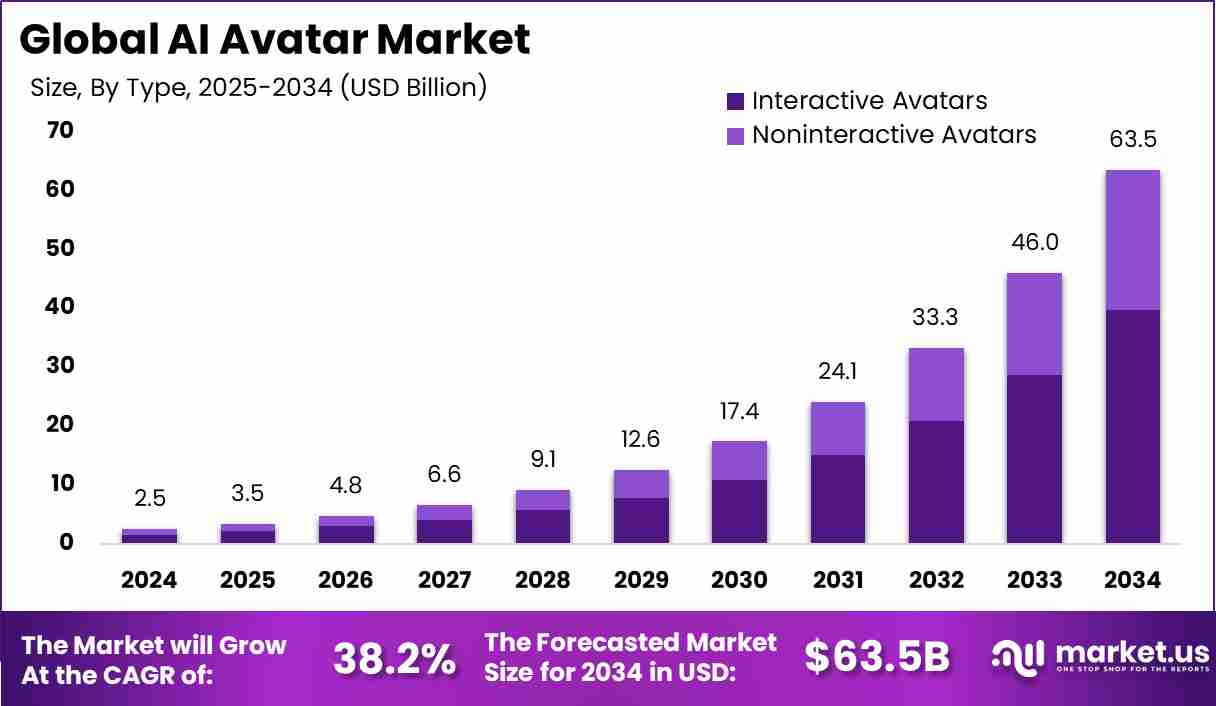 0 Comments 0 Shares 7 Views 0 Reviews
 -
The expansion of the Green Finance Market is not uniform across the globe. While the global narrative emphasizes sustainability, climate resilience, and ESG integration, the real acceleration of the Green Finance Market Size is visible when examined at the country level. The United States, China, and India are three of the most influential economies shaping the future of sustainable finance between 2024 and 2033. Their policy decisions, renewable energy investments, banking reforms, and ESG mandates are collectively redefining the Global Green Finance Market.
These countries differ in economic structure, regulatory maturity, and environmental priorities, yet all are contributing significantly to Green Finance Market Growth through innovative financial instruments, green bonds, green loans, and sustainability-linked funding frameworks.
Identify emerging opportunities powered by ESG integration and policy reforms shaping the Global Green Finance Market landscape at: https://market.us/report/green-finance-market/.
The United States plays a critical role in the Green Finance Market due to its mature financial ecosystem and strong investor participation. ESG investing has become mainstream among institutional investors, pension funds, and asset managers. Corporate sustainability disclosures and climate commitments are influencing capital allocation across sectors such as renewable energy, green construction, and electric mobility.
Green bonds and sustainability-linked loans issued by American corporations contribute heavily to the Green Finance Market Size. Regulatory encouragement and climate-focused federal initiatives further accelerate Green Finance Market Growth.
Major banks in the United States have integrated sustainability criteria into their lending frameworks. Environmental risk assessments are now part of credit evaluations. This integration strengthens the Green Finance Market Trends and encourages businesses to adopt environmentally responsible practices.
The growth of climate-focused ETFs and ESG mutual funds also channels investor capital into the Green Finance Market.
China represents one of the fastest-growing contributors to the Global Green Finance Market. Strong government mandates, large-scale renewable energy projects, and green infrastructure investments are central to China’s sustainability agenda.
Chinese regulators have developed green finance taxonomies and reporting standards that guide financial institutions. This clarity supports massive Green Finance Market Growth through state-backed green bonds and eco-friendly project financing.The expansion of the Green Finance Market is not uniform across the globe. While the global narrative emphasizes sustainability, climate resilience, and ESG integration, the real acceleration of the Green Finance Market Size is visible when examined at the country level. The United States, China, and India are three of the most influential economies shaping the future of sustainable finance between 2024 and 2033. Their policy decisions, renewable energy investments, banking reforms, and ESG mandates are collectively redefining the Global Green Finance Market. These countries differ in economic structure, regulatory maturity, and environmental priorities, yet all are contributing significantly to Green Finance Market Growth through innovative financial instruments, green bonds, green loans, and sustainability-linked funding frameworks. Identify emerging opportunities powered by ESG integration and policy reforms shaping the Global Green Finance Market landscape at: https://market.us/report/green-finance-market/. The United States plays a critical role in the Green Finance Market due to its mature financial ecosystem and strong investor participation. ESG investing has become mainstream among institutional investors, pension funds, and asset managers. Corporate sustainability disclosures and climate commitments are influencing capital allocation across sectors such as renewable energy, green construction, and electric mobility. Green bonds and sustainability-linked loans issued by American corporations contribute heavily to the Green Finance Market Size. Regulatory encouragement and climate-focused federal initiatives further accelerate Green Finance Market Growth. Major banks in the United States have integrated sustainability criteria into their lending frameworks. Environmental risk assessments are now part of credit evaluations. This integration strengthens the Green Finance Market Trends and encourages businesses to adopt environmentally responsible practices. The growth of climate-focused ETFs and ESG mutual funds also channels investor capital into the Green Finance Market. China represents one of the fastest-growing contributors to the Global Green Finance Market. Strong government mandates, large-scale renewable energy projects, and green infrastructure investments are central to China’s sustainability agenda. Chinese regulators have developed green finance taxonomies and reporting standards that guide financial institutions. This clarity supports massive Green Finance Market Growth through state-backed green bonds and eco-friendly project financing.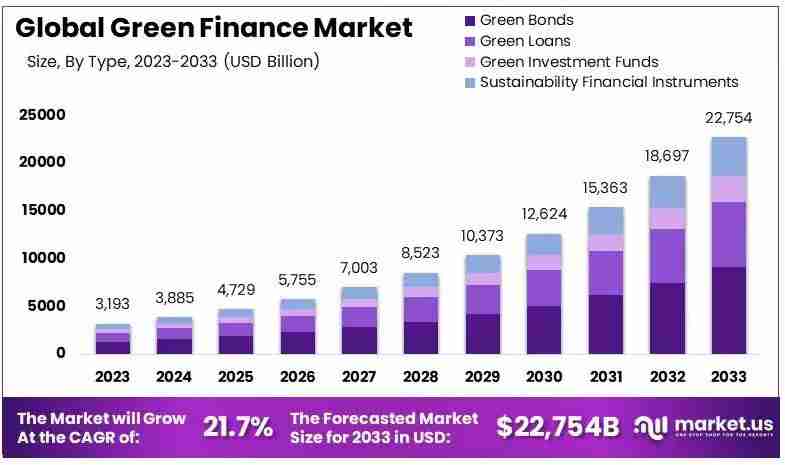 0 Comments 0 Shares 7 Views 0 Reviews
 -
Urban environments are becoming digitally connected ecosystems where information, services, and communication flow through intelligent infrastructure. Within this transformation, the Digital Out-Of-Home Advertising Market is benefiting significantly from smart city initiatives and advanced display technologies. Digital screens embedded in transport hubs, streets, commercial zones, and public utilities are no longer just advertising assets; they are part of urban communication networks. This convergence of technology and infrastructure is accelerating DOOH adoption globally through 2033.
Explore how data-backed metrics and analytics are improving performance in the Digital Out-Of-Home Advertising Market at: https://market.us/report/digital-out-of-home-dooh-advertising-market/.
Smart city projects prioritize connectivity, real-time information sharing, and digital engagement. As municipalities deploy digital kiosks, wayfinding panels, and interactive displays, they create natural expansion points for the DOOH Advertising Market. These installations serve public communication needs while offering premium advertising inventory for brands.
Internet of Things (IoT) technology enables digital screens to connect with centralized networks for remote content management. This connectivity strengthens the operational efficiency of the Digital Out-Of-Home Advertising Market, allowing advertisers to update content across multiple locations instantly.Urban environments are becoming digitally connected ecosystems where information, services, and communication flow through intelligent infrastructure. Within this transformation, the Digital Out-Of-Home Advertising Market is benefiting significantly from smart city initiatives and advanced display technologies. Digital screens embedded in transport hubs, streets, commercial zones, and public utilities are no longer just advertising assets; they are part of urban communication networks. This convergence of technology and infrastructure is accelerating DOOH adoption globally through 2033. Explore how data-backed metrics and analytics are improving performance in the Digital Out-Of-Home Advertising Market at: https://market.us/report/digital-out-of-home-dooh-advertising-market/. Smart city projects prioritize connectivity, real-time information sharing, and digital engagement. As municipalities deploy digital kiosks, wayfinding panels, and interactive displays, they create natural expansion points for the DOOH Advertising Market. These installations serve public communication needs while offering premium advertising inventory for brands. Internet of Things (IoT) technology enables digital screens to connect with centralized networks for remote content management. This connectivity strengthens the operational efficiency of the Digital Out-Of-Home Advertising Market, allowing advertisers to update content across multiple locations instantly.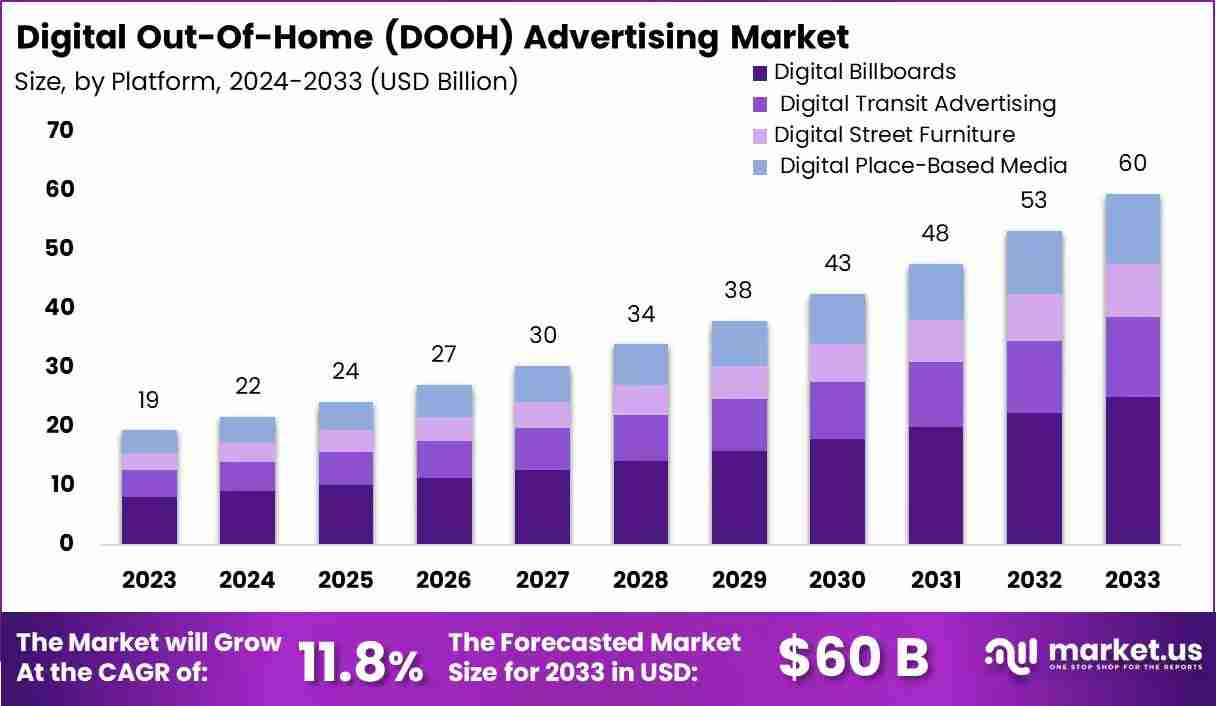 0 Comments 0 Shares 7 Views 0 Reviews
 -
Children’s interaction with digital content is becoming more intuitive as devices, platforms, and content formats evolve together. By 2033, advertisers will rely on deeper creative integration, safer delivery mechanisms, and smarter optimization tools to communicate with young audiences. The next decade will not only expand opportunities but also raise expectations around responsibility and value.
Discover how Kids Digital Advertising Market trends are transforming brand engagement across child-focused digital platforms at: https://market.us/report/kids-digital-advertising-market/.
Immersive experiences will redefine the Kids Digital Advertising Market as augmented reality, interactive storytelling, and gamified narratives become mainstream. Children will increasingly engage with ads that feel like playable stories rather than promotional messages. These experiences will blend entertainment and branding in ways that sustain attention and improve recall.
Contextual intelligence will become more advanced within the Kids Digital Advertising Market. AI systems will analyze content themes, usage timing, and engagement signals to determine optimal ad placement without relying on personal data. This evolution ensures compliance while improving relevance and performance.
Smart speakers, connected toys, and voice-enabled devices will influence how the Kids Digital Advertising Market operates. Voice interactions will allow children to respond to brand prompts in conversational ways. Advertisers will design audio-driven experiences that complement visual content across devices.
Learning apps and creativity platforms will grow as trusted spaces in the Kids Digital Advertising Market. Advertising that supports educational themes, storytelling tools, and creative exploration will gain higher acceptance from parents and educators. This integration creates value-driven engagement rather than distraction.
AI-powered creative optimization will transform campaign design in the Kids Digital Advertising Market. Systems will test animations, colors, and storytelling styles to determine what resonates most with children. Continuous improvement based on contextual feedback will make campaigns more effective over time.Children’s interaction with digital content is becoming more intuitive as devices, platforms, and content formats evolve together. By 2033, advertisers will rely on deeper creative integration, safer delivery mechanisms, and smarter optimization tools to communicate with young audiences. The next decade will not only expand opportunities but also raise expectations around responsibility and value. Discover how Kids Digital Advertising Market trends are transforming brand engagement across child-focused digital platforms at: https://market.us/report/kids-digital-advertising-market/. Immersive experiences will redefine the Kids Digital Advertising Market as augmented reality, interactive storytelling, and gamified narratives become mainstream. Children will increasingly engage with ads that feel like playable stories rather than promotional messages. These experiences will blend entertainment and branding in ways that sustain attention and improve recall. Contextual intelligence will become more advanced within the Kids Digital Advertising Market. AI systems will analyze content themes, usage timing, and engagement signals to determine optimal ad placement without relying on personal data. This evolution ensures compliance while improving relevance and performance. Smart speakers, connected toys, and voice-enabled devices will influence how the Kids Digital Advertising Market operates. Voice interactions will allow children to respond to brand prompts in conversational ways. Advertisers will design audio-driven experiences that complement visual content across devices. Learning apps and creativity platforms will grow as trusted spaces in the Kids Digital Advertising Market. Advertising that supports educational themes, storytelling tools, and creative exploration will gain higher acceptance from parents and educators. This integration creates value-driven engagement rather than distraction. AI-powered creative optimization will transform campaign design in the Kids Digital Advertising Market. Systems will test animations, colors, and storytelling styles to determine what resonates most with children. Continuous improvement based on contextual feedback will make campaigns more effective over time.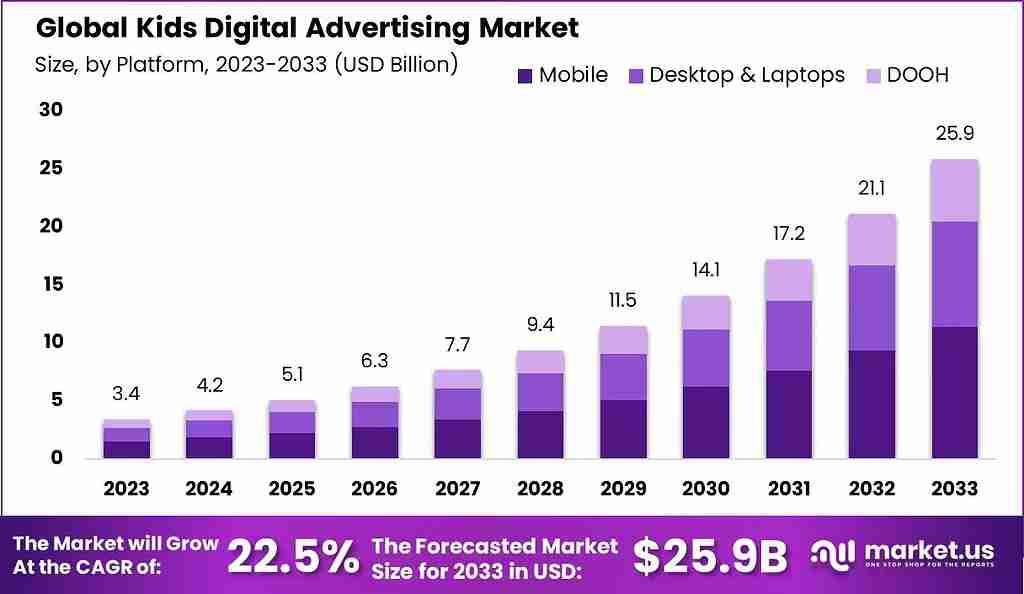 0 Comments 0 Shares 6 Views 0 Reviews
 -
This shift toward Early Childhood Digital Education is not only improving learning outcomes but also creating measurable revenue streams across multiple solution segments.
Growing awareness of Interactive Learning Platforms for Kids is reshaping early education models worldwide discover at https://market.us/report/edtech-for-early-childhood-market/.
Forecasts through 2034 indicate that demand for Digital Learning for Preschoolers will continue rising as institutions and parents increasingly adopt structured digital tools. The convergence of content quality, intuitive design, and adaptive learning has positioned Interactive Learning Platforms for Kids as central components of modern preschool education.
Revenue expansion in the EdTech For Early Childhood Market is strongly linked to the rising use of smart devices and internet connectivity. Tablets and smartphones have become learning companions for children, enabling seamless access to Online Preschool Learning Platforms that deliver engaging lessons anytime and anywhere.
Subscription-based Preschool Learning Apps are contributing significantly to recurring revenue models. These applications offer structured content that aligns with early education goals while keeping children motivated through visuals and interaction.
Different solution types contribute uniquely to the growth of Early Childhood Digital Education. Learning applications focused on literacy and numeracy form a core segment, while storytelling platforms, puzzle-based games, and interactive simulations expand the scope of Early Learning EdTech Solutions.
Assessment and progress tracking tools powered by AI are emerging as high-value segments. These tools enhance the effectiveness of Child Development Learning Tools by offering real-time feedback to parents and educators.
Curriculum alignment plays a crucial role in revenue expansion for providers of EdTech Solutions for Early Education. Platforms designed around recognized early learning frameworks gain higher acceptance among institutions and families.
This alignment strengthens trust in Early Childhood Education Technology and drives long-term adoption.
The popularity of Gamified Learning for Preschoolers is a major contributor to segment growth. Reward systems, animated characters, and storytelling mechanics encourage children to interact repeatedly with learning content delivered through Interactive Learning Platforms for Kids.This shift toward Early Childhood Digital Education is not only improving learning outcomes but also creating measurable revenue streams across multiple solution segments. Growing awareness of Interactive Learning Platforms for Kids is reshaping early education models worldwide discover at https://market.us/report/edtech-for-early-childhood-market/. Forecasts through 2034 indicate that demand for Digital Learning for Preschoolers will continue rising as institutions and parents increasingly adopt structured digital tools. The convergence of content quality, intuitive design, and adaptive learning has positioned Interactive Learning Platforms for Kids as central components of modern preschool education. Revenue expansion in the EdTech For Early Childhood Market is strongly linked to the rising use of smart devices and internet connectivity. Tablets and smartphones have become learning companions for children, enabling seamless access to Online Preschool Learning Platforms that deliver engaging lessons anytime and anywhere. Subscription-based Preschool Learning Apps are contributing significantly to recurring revenue models. These applications offer structured content that aligns with early education goals while keeping children motivated through visuals and interaction. Different solution types contribute uniquely to the growth of Early Childhood Digital Education. Learning applications focused on literacy and numeracy form a core segment, while storytelling platforms, puzzle-based games, and interactive simulations expand the scope of Early Learning EdTech Solutions. Assessment and progress tracking tools powered by AI are emerging as high-value segments. These tools enhance the effectiveness of Child Development Learning Tools by offering real-time feedback to parents and educators. Curriculum alignment plays a crucial role in revenue expansion for providers of EdTech Solutions for Early Education. Platforms designed around recognized early learning frameworks gain higher acceptance among institutions and families. This alignment strengthens trust in Early Childhood Education Technology and drives long-term adoption. The popularity of Gamified Learning for Preschoolers is a major contributor to segment growth. Reward systems, animated characters, and storytelling mechanics encourage children to interact repeatedly with learning content delivered through Interactive Learning Platforms for Kids.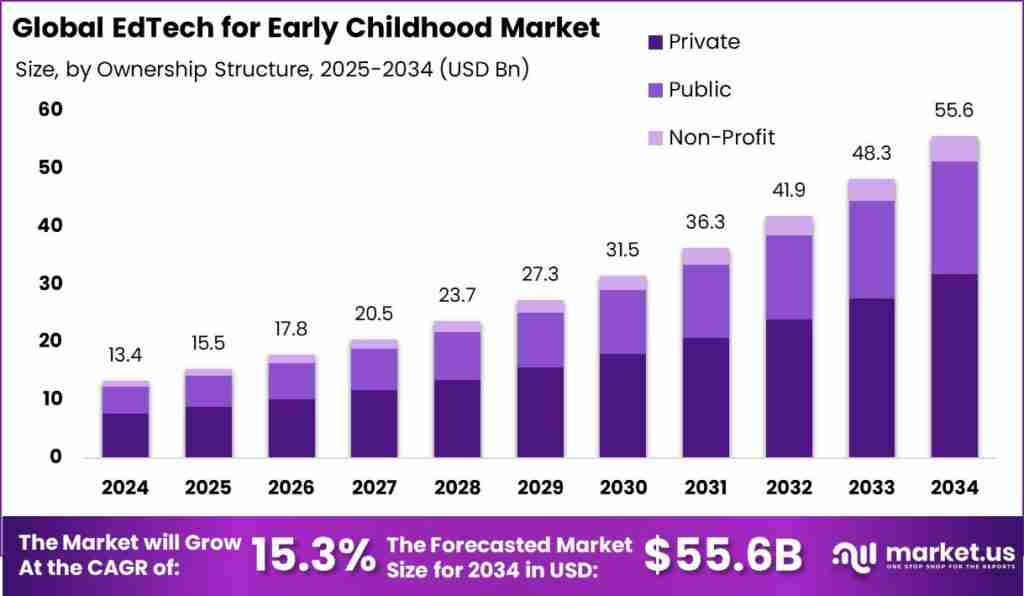 0 Comments 0 Shares 6 Views 0 Reviews
 -
The Embedded Insurance Market is increasingly shaped by online distribution channels that integrate protection directly into digital purchase journeys. As consumers shift toward e-commerce platforms, mobile applications, and web-based services, insurance is being offered seamlessly at checkout, subscription sign-ups, and transaction points. This evolution is redefining how coverage is accessed and accelerating adoption across industries between 2024 and 2033.
Data-driven underwriting is enhancing efficiency and scalability in the Embedded Insurance Market discover at: https://market.us/report/embedded-insurance-market/.
Online distribution removes traditional friction from insurance buying processes and aligns perfectly with modern digital behaviors. The rise of digital ecosystems is positioning online channels as the primary driver of growth in the Embedded Insurance Market.
E-commerce environments provide natural touchpoints for embedded protection. Customers purchasing electronics, booking travel, or subscribing to services are offered relevant coverage during checkout. This contextual placement increases acceptance and enhances user trust.
The ability to offer insurance without redirecting users to separate processes is a key advantage supporting the expansion of the Embedded Insurance Market.
APIs enable real-time communication between insurers and digital platforms within the Embedded Insurance Market. This integration allows instant policy issuance, pricing, and confirmation during online transactions.
Cloud infrastructure supports scalability, ensuring that high volumes of transactions can be handled efficiently across regions and platforms.
Consumers prefer digital experiences that are fast, simple, and transparent. Embedded protection offered online aligns with these expectations by eliminating lengthy paperwork and complex comparisons.
This preference is driving higher adoption rates and strengthening the role of online channels in the Embedded Insurance Market.The Embedded Insurance Market is increasingly shaped by online distribution channels that integrate protection directly into digital purchase journeys. As consumers shift toward e-commerce platforms, mobile applications, and web-based services, insurance is being offered seamlessly at checkout, subscription sign-ups, and transaction points. This evolution is redefining how coverage is accessed and accelerating adoption across industries between 2024 and 2033. Data-driven underwriting is enhancing efficiency and scalability in the Embedded Insurance Market discover at: https://market.us/report/embedded-insurance-market/. Online distribution removes traditional friction from insurance buying processes and aligns perfectly with modern digital behaviors. The rise of digital ecosystems is positioning online channels as the primary driver of growth in the Embedded Insurance Market. E-commerce environments provide natural touchpoints for embedded protection. Customers purchasing electronics, booking travel, or subscribing to services are offered relevant coverage during checkout. This contextual placement increases acceptance and enhances user trust. The ability to offer insurance without redirecting users to separate processes is a key advantage supporting the expansion of the Embedded Insurance Market. APIs enable real-time communication between insurers and digital platforms within the Embedded Insurance Market. This integration allows instant policy issuance, pricing, and confirmation during online transactions. Cloud infrastructure supports scalability, ensuring that high volumes of transactions can be handled efficiently across regions and platforms. Consumers prefer digital experiences that are fast, simple, and transparent. Embedded protection offered online aligns with these expectations by eliminating lengthy paperwork and complex comparisons. This preference is driving higher adoption rates and strengthening the role of online channels in the Embedded Insurance Market.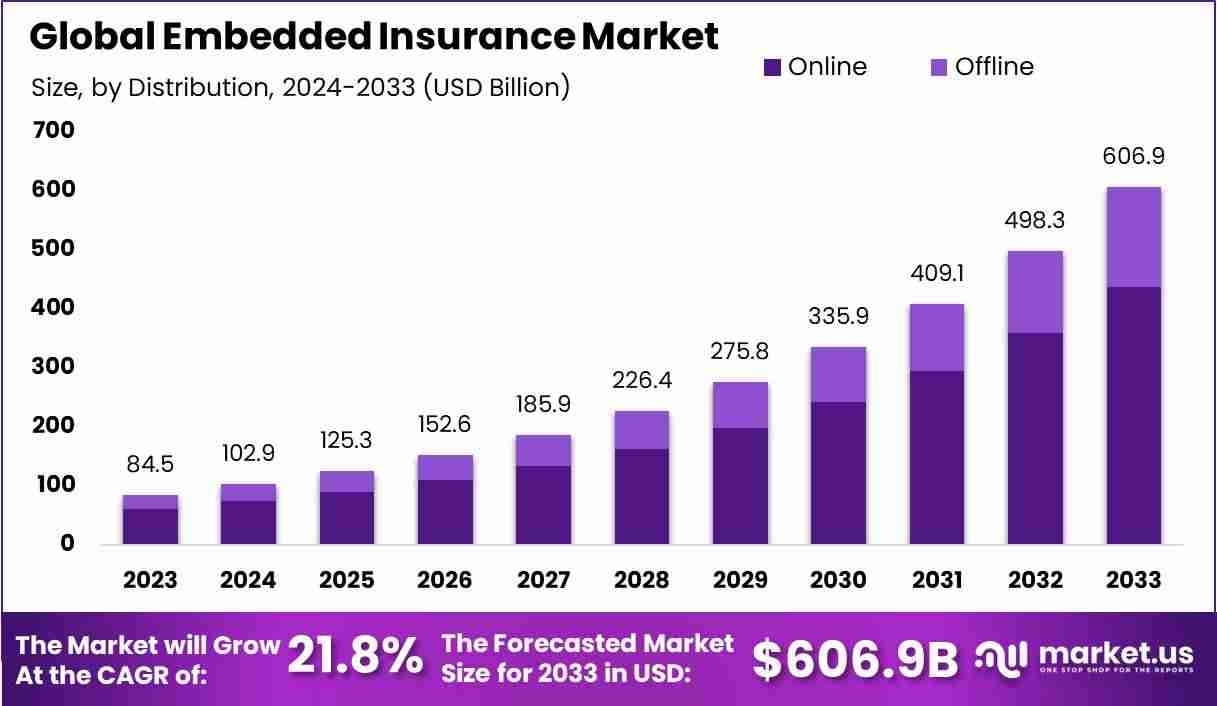 0 Comments 0 Shares 6 Views 0 Reviews
 -
The In-Camera Visual Effects Market is expanding rapidly as studios embrace Virtual Production for efficiency and realism. However, despite strong momentum, several challenges and restraints influence how quickly ICVFX can be adopted across the industry.
Evaluate how XR Production and immersive environments are expanding the scope of the ICVFX Industry at: https://market.us/report/in-camera-visual-effects-market/.
These constraints are not technological shortcomings alone but also include operational complexity, cost considerations, talent availability, and integration hurdles.
Understanding these factors is essential for production houses and technology providers aiming to accelerate the adoption of In-Camera Visual Effects worldwide.
One of the most significant barriers within the In-Camera Visual Effects Market is the upfront cost of building LED volumes and acquiring advanced tracking systems. High-resolution LED panels, rendering engines, and motion tracking equipment require substantial capital investment. Smaller studios may find it difficult to justify these costs despite the long-term benefits offered by Virtual Production.
The integration of hardware and software in ICVFX environments requires precise calibration and synchronization. Rendering engines, tracking systems, and LED displays must work seamlessly together. Any misalignment can affect scene realism. This technical complexity can discourage adoption for teams unfamiliar with Virtual Production workflows.
Operating In-Camera Visual Effects stages requires specialized skills that combine cinematography, software knowledge, and digital production expertise. The shortage of trained professionals capable of managing Virtual Production setups slows implementation in many regions. Training programs are increasing, but the gap remains a noticeable restraint.
Teams accustomed to traditional green screen methods may face a learning curve when transitioning to ICVFX. Adjusting to real-time workflows and digital environment management requires a shift in mindset and practice. This transition can temporarily affect production efficiency during the adaptation phase.
Not all production houses have the physical space required to install LED volumes and tracking systems. Infrastructure constraints in urban studios can limit the ability to implement full-scale In-Camera Visual Effects environments. Space optimization solutions are emerging, but this remains a barrier in densely populated regions.
Real-time rendering demands powerful computing systems capable of handling complex scenes instantly. Maintaining these systems requires investment in hardware upgrades and technical support. This dependency adds operational costs within the In-Camera Visual Effects Market.
Studios with established post-production pipelines may find it challenging to integrate Virtual Production into existing processes. Aligning new ICVFX workflows with legacy editing and compositing systems requires careful planning and adaptation.
While In-Camera Visual Effects provide creative advantages, excessive dependence on digital environments may limit practical set design skills. Maintaining a balance between physical production techniques and Virtual Production is important for creative diversity.
Developed regions lead adoption due to infrastructure and investment capacity, while developing areas struggle with resource constraints. This disparity affects the global growth rate of the In-Camera Visual Effects Market.The In-Camera Visual Effects Market is expanding rapidly as studios embrace Virtual Production for efficiency and realism. However, despite strong momentum, several challenges and restraints influence how quickly ICVFX can be adopted across the industry. Evaluate how XR Production and immersive environments are expanding the scope of the ICVFX Industry at: https://market.us/report/in-camera-visual-effects-market/. These constraints are not technological shortcomings alone but also include operational complexity, cost considerations, talent availability, and integration hurdles. Understanding these factors is essential for production houses and technology providers aiming to accelerate the adoption of In-Camera Visual Effects worldwide. One of the most significant barriers within the In-Camera Visual Effects Market is the upfront cost of building LED volumes and acquiring advanced tracking systems. High-resolution LED panels, rendering engines, and motion tracking equipment require substantial capital investment. Smaller studios may find it difficult to justify these costs despite the long-term benefits offered by Virtual Production. The integration of hardware and software in ICVFX environments requires precise calibration and synchronization. Rendering engines, tracking systems, and LED displays must work seamlessly together. Any misalignment can affect scene realism. This technical complexity can discourage adoption for teams unfamiliar with Virtual Production workflows. Operating In-Camera Visual Effects stages requires specialized skills that combine cinematography, software knowledge, and digital production expertise. The shortage of trained professionals capable of managing Virtual Production setups slows implementation in many regions. Training programs are increasing, but the gap remains a noticeable restraint. Teams accustomed to traditional green screen methods may face a learning curve when transitioning to ICVFX. Adjusting to real-time workflows and digital environment management requires a shift in mindset and practice. This transition can temporarily affect production efficiency during the adaptation phase. Not all production houses have the physical space required to install LED volumes and tracking systems. Infrastructure constraints in urban studios can limit the ability to implement full-scale In-Camera Visual Effects environments. Space optimization solutions are emerging, but this remains a barrier in densely populated regions. Real-time rendering demands powerful computing systems capable of handling complex scenes instantly. Maintaining these systems requires investment in hardware upgrades and technical support. This dependency adds operational costs within the In-Camera Visual Effects Market. Studios with established post-production pipelines may find it challenging to integrate Virtual Production into existing processes. Aligning new ICVFX workflows with legacy editing and compositing systems requires careful planning and adaptation. While In-Camera Visual Effects provide creative advantages, excessive dependence on digital environments may limit practical set design skills. Maintaining a balance between physical production techniques and Virtual Production is important for creative diversity. Developed regions lead adoption due to infrastructure and investment capacity, while developing areas struggle with resource constraints. This disparity affects the global growth rate of the In-Camera Visual Effects Market.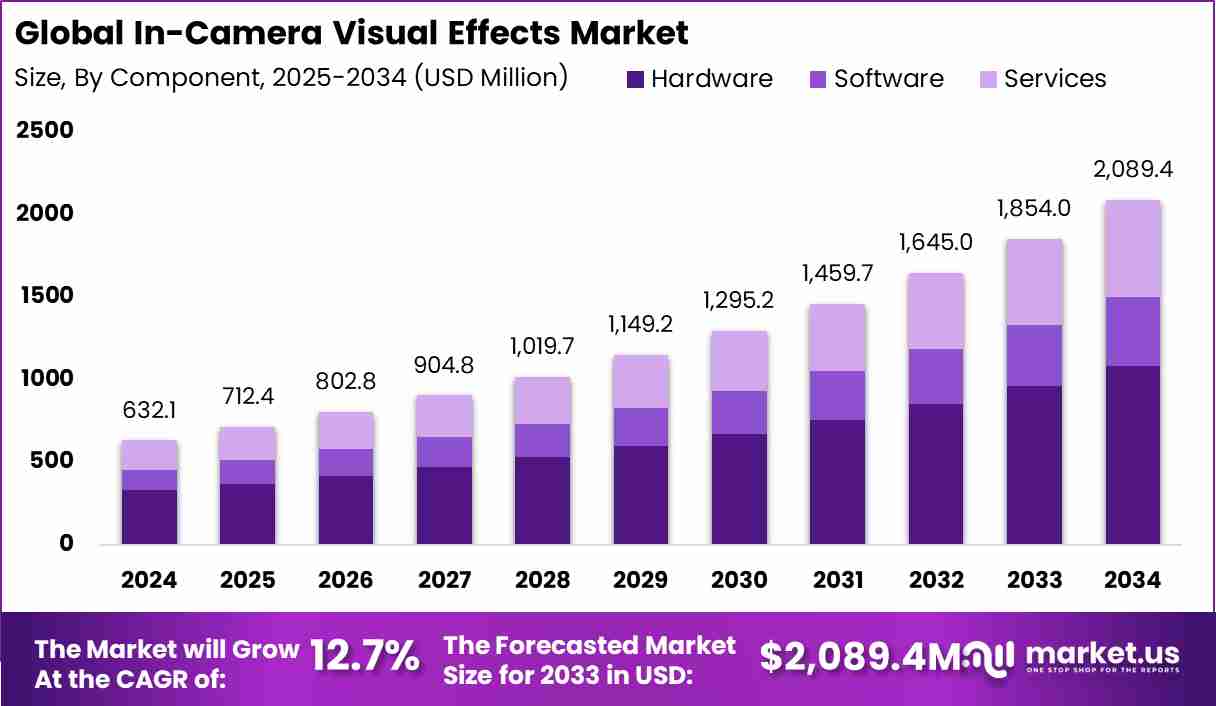 0 Comments 0 Shares 7 Views 0 Reviews
 -
While observability offers immense operational benefits, cost remains a significant consideration for many organizations. The Observability Tools and Platforms Market is influenced by concerns around implementation expenses, licensing models, and infrastructure requirements. Enterprises must balance the need for visibility with budget constraints.
Examine how DevOps monitoring tools and SRE practices are driving demand for advanced observability platforms at: https://market.us/report/observability-tools-and-platforms-market/.
Despite these challenges, businesses increasingly recognize that investing in IT observability tools reduces downtime costs and improves efficiency, making observability a long term value driver.
Cost related factors play a key role in shaping observability market trends. Smaller organizations often hesitate to adopt comprehensive platforms due to perceived high expenses, while large enterprises allocate significant budgets for advanced monitoring.
Vendors respond by offering flexible pricing models and scalable solutions that accommodate varying organizational needs.
Cloud observability platforms reduce upfront capital expenditure by offering subscription based models. These platforms eliminate the need for extensive on premise infrastructure, making observability more accessible.
Scalability allows organizations to pay only for resources they use, improving affordability.
DevOps monitoring tools integrated into observability platforms help reduce operational costs by identifying issues early and minimizing downtime. Faster troubleshooting reduces resource consumption and improves productivity.
This efficiency makes observability a cost effective investment over time.
Automation through AIOps and observability solutions reduces manual monitoring efforts and staffing requirements. AI driven analytics streamline operations and improve incident management efficiency.
This reduction in manual workload contributes to long term cost savings.While observability offers immense operational benefits, cost remains a significant consideration for many organizations. The Observability Tools and Platforms Market is influenced by concerns around implementation expenses, licensing models, and infrastructure requirements. Enterprises must balance the need for visibility with budget constraints. Examine how DevOps monitoring tools and SRE practices are driving demand for advanced observability platforms at: https://market.us/report/observability-tools-and-platforms-market/. Despite these challenges, businesses increasingly recognize that investing in IT observability tools reduces downtime costs and improves efficiency, making observability a long term value driver. Cost related factors play a key role in shaping observability market trends. Smaller organizations often hesitate to adopt comprehensive platforms due to perceived high expenses, while large enterprises allocate significant budgets for advanced monitoring. Vendors respond by offering flexible pricing models and scalable solutions that accommodate varying organizational needs. Cloud observability platforms reduce upfront capital expenditure by offering subscription based models. These platforms eliminate the need for extensive on premise infrastructure, making observability more accessible. Scalability allows organizations to pay only for resources they use, improving affordability. DevOps monitoring tools integrated into observability platforms help reduce operational costs by identifying issues early and minimizing downtime. Faster troubleshooting reduces resource consumption and improves productivity. This efficiency makes observability a cost effective investment over time. Automation through AIOps and observability solutions reduces manual monitoring efforts and staffing requirements. AI driven analytics streamline operations and improve incident management efficiency. This reduction in manual workload contributes to long term cost savings.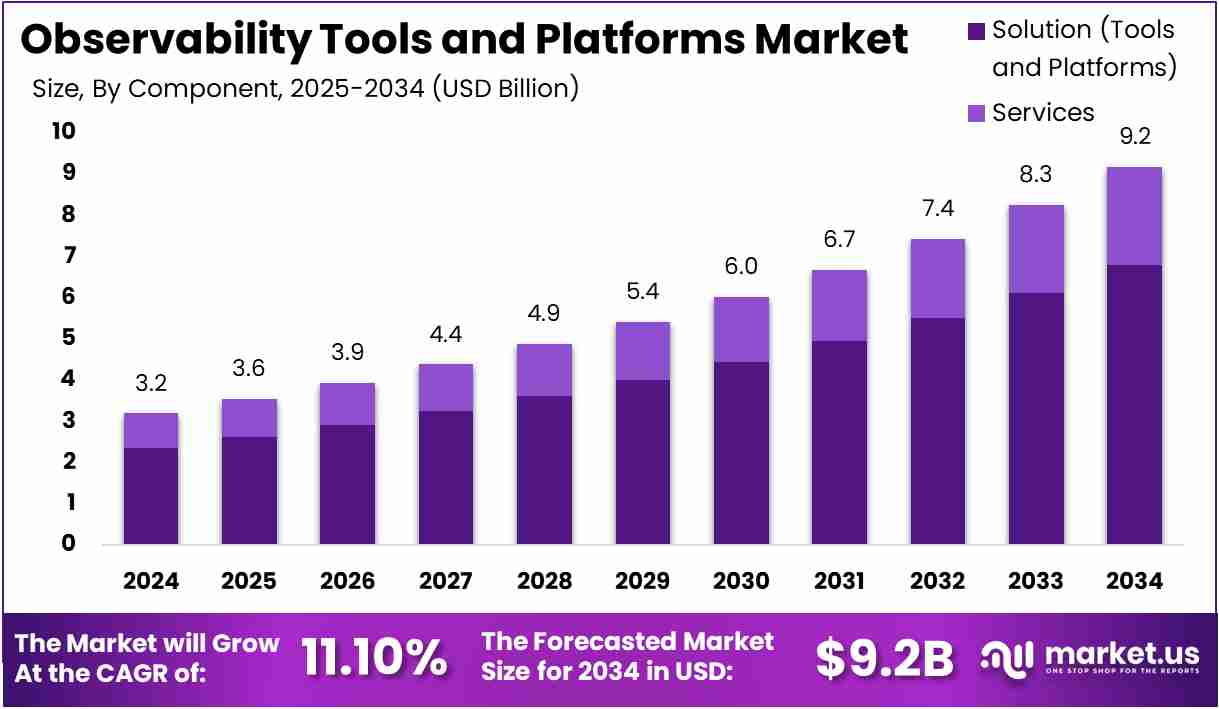 0 Comments 0 Shares 7 Views 0 Reviews
 -
Oilfields generate continuous streams of operational data from sensors, equipment, and monitoring systems. Managing and analyzing this data in real time is essential for maintaining productivity and safety. The Cloud Computing in Oil and Gas Market provides the infrastructure needed to collect, process, and interpret this data instantly, enabling faster decision-making across operations.
The use of cloud computing in oil and gas for real-time analytics is transforming how oilfields operate by improving visibility, responsiveness, and efficiency.
Analyze regional trends shaping the Cloud Computing in Energy Market, with North America and Asia-Pacific leading adoption. Regional breakdown at: https://market.us/report/cloud-computing-in-oil-gas-market/.Oilfields generate continuous streams of operational data from sensors, equipment, and monitoring systems. Managing and analyzing this data in real time is essential for maintaining productivity and safety. The Cloud Computing in Oil and Gas Market provides the infrastructure needed to collect, process, and interpret this data instantly, enabling faster decision-making across operations. The use of cloud computing in oil and gas for real-time analytics is transforming how oilfields operate by improving visibility, responsiveness, and efficiency. Analyze regional trends shaping the Cloud Computing in Energy Market, with North America and Asia-Pacific leading adoption. Regional breakdown at: https://market.us/report/cloud-computing-in-oil-gas-market/.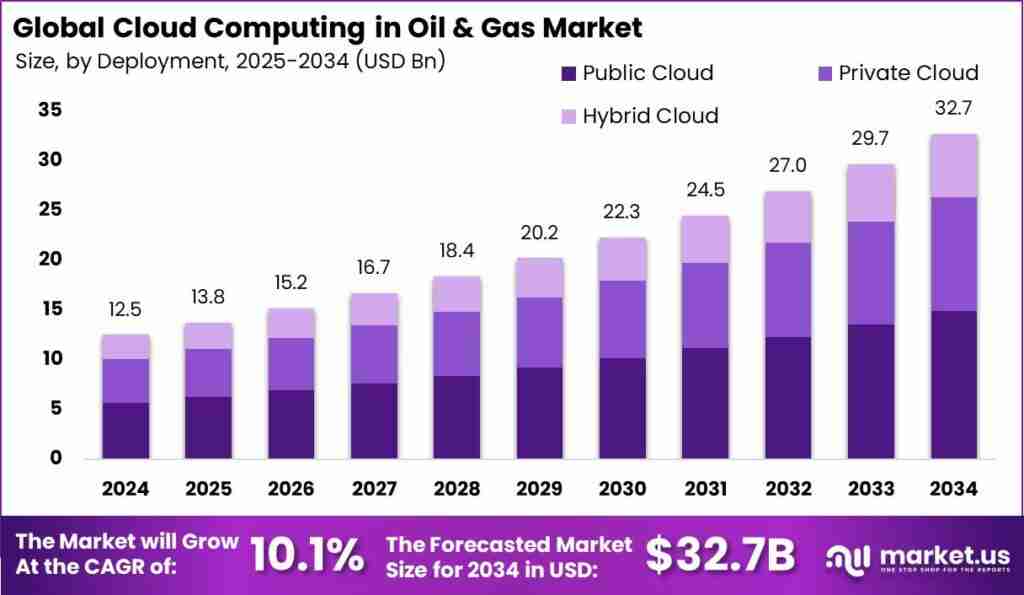 0 Comments 0 Shares 7 Views 0 Reviews
 -
The conversation around Vertical AI vs Horizontal AI has become central to enterprise technology strategy as organizations seek artificial intelligence that delivers measurable business outcomes. While horizontal AI platforms aim to provide broad, reusable capabilities across industries, Vertical AI systems are designed with domain context, regulatory awareness, and sector-specific data intelligence. This distinction is shaping how enterprises invest in AI and how vendors position their solutions in the rapidly expanding Vertical AI Market.
Discover how the Vertical AI Market is accelerating industry-specific AI adoption across healthcare, finance, manufacturing, and retail with measurable ROI at: https://market.us/report/vertical-ai-market/.
Observations from AI deployments in insurance provide a practical lens for understanding this divide. Domain-trained models significantly enhance underwriting precision, accelerate claims processing, and strengthen fraud detection. These results highlight why industry-specific AI is gaining preference over generalized approaches across healthcare, finance, manufacturing, and retail.
Horizontal AI refers to platforms and models built for wide applicability. These systems offer flexibility and scalability, making them suitable for experimentation and generic automation tasks. However, they often lack the contextual intelligence required to operate effectively in complex industry environments.
In regulated sectors, horizontal AI struggles with compliance alignment, domain terminology, and specialized data formats. This limitation leads to extensive customization efforts before deployment. As a result, enterprises are shifting toward Vertical AI Solutions that are pre-aligned with industry requirements and capable of delivering faster, more accurate outcomes.
Vertical AI is characterized by deep domain training, contextual data understanding, and built-in compliance awareness. These systems are designed to interpret sector-specific datasets from the outset. In healthcare, they analyze medical images and patient histories. In finance and insurance, they evaluate risk variables and detect transactional anomalies. In manufacturing, they interpret sensor data for predictive insights.
This domain alignment makes Vertical AI Applications more effective for mission-critical tasks, reducing errors and improving operational reliability across industries.The conversation around Vertical AI vs Horizontal AI has become central to enterprise technology strategy as organizations seek artificial intelligence that delivers measurable business outcomes. While horizontal AI platforms aim to provide broad, reusable capabilities across industries, Vertical AI systems are designed with domain context, regulatory awareness, and sector-specific data intelligence. This distinction is shaping how enterprises invest in AI and how vendors position their solutions in the rapidly expanding Vertical AI Market. Discover how the Vertical AI Market is accelerating industry-specific AI adoption across healthcare, finance, manufacturing, and retail with measurable ROI at: https://market.us/report/vertical-ai-market/. Observations from AI deployments in insurance provide a practical lens for understanding this divide. Domain-trained models significantly enhance underwriting precision, accelerate claims processing, and strengthen fraud detection. These results highlight why industry-specific AI is gaining preference over generalized approaches across healthcare, finance, manufacturing, and retail. Horizontal AI refers to platforms and models built for wide applicability. These systems offer flexibility and scalability, making them suitable for experimentation and generic automation tasks. However, they often lack the contextual intelligence required to operate effectively in complex industry environments. In regulated sectors, horizontal AI struggles with compliance alignment, domain terminology, and specialized data formats. This limitation leads to extensive customization efforts before deployment. As a result, enterprises are shifting toward Vertical AI Solutions that are pre-aligned with industry requirements and capable of delivering faster, more accurate outcomes. Vertical AI is characterized by deep domain training, contextual data understanding, and built-in compliance awareness. These systems are designed to interpret sector-specific datasets from the outset. In healthcare, they analyze medical images and patient histories. In finance and insurance, they evaluate risk variables and detect transactional anomalies. In manufacturing, they interpret sensor data for predictive insights. This domain alignment makes Vertical AI Applications more effective for mission-critical tasks, reducing errors and improving operational reliability across industries.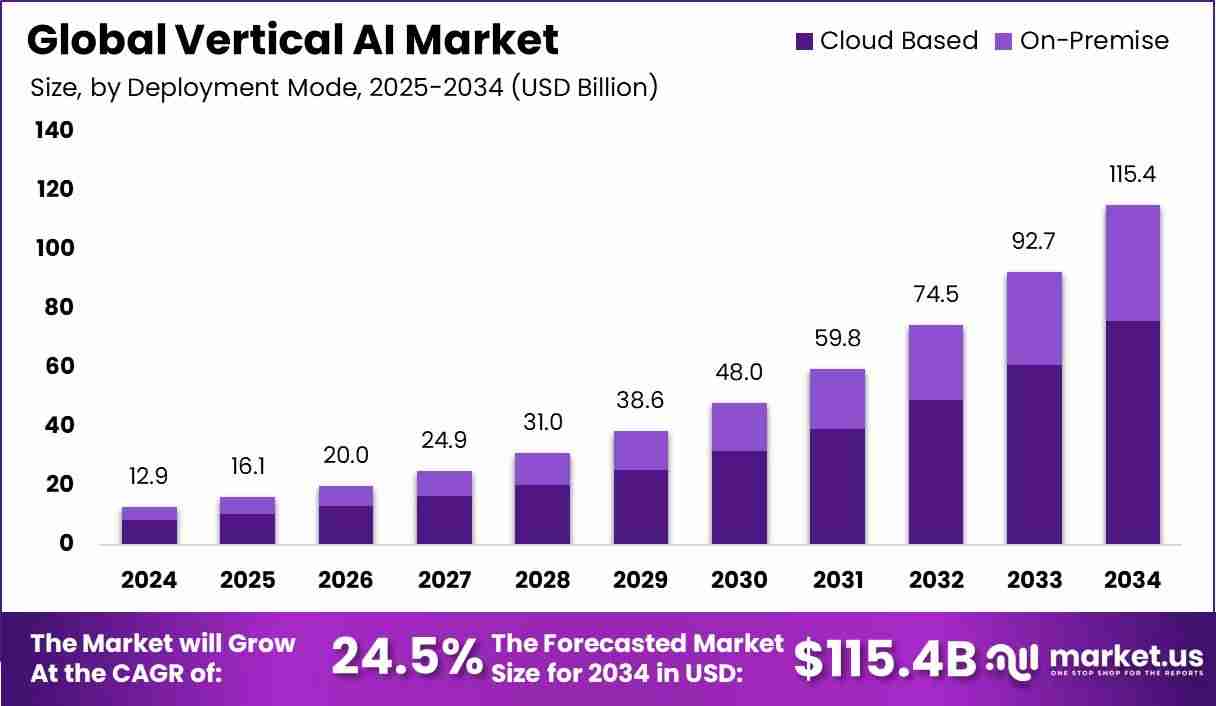 0 Comments 0 Shares 7 Views 0 Reviews
 -
The rapid advancement of artificial intelligence and decentralized computing is redefining semiconductor requirements across industries. At the center of this transformation are Fabless Chipmakers, companies that specialize in advanced chip design while outsourcing fabrication to leading foundries. Their ability to innovate quickly, optimize architectures for specific workloads, and collaborate with manufacturing partners has positioned them as key enablers of the modern Fabless Semiconductor Market.
Rapid advances in AI and 5G are fueling unprecedented Fabless Semiconductor Market Growth across global industries at: https://market.us/report/fabless-semiconductor-market/.
AI and edge computing require processors that balance performance, energy efficiency, and real-time responsiveness. These demands are best addressed through agile Fabless IC Design, which prioritizes customization and rapid iteration. As enterprises, governments, and consumers adopt intelligent systems, the contribution of Fabless Chipmakers to overall Fabless Semiconductor Market Growth becomes increasingly significant.
Artificial intelligence introduces complex computational requirements, including parallel data processing, neural network acceleration, and high memory bandwidth. General-purpose processors struggle to meet these needs efficiently, prompting the rise of specialized chips engineered through the Fabless Chip Design Market.
Fabless firms develop neural processing units, AI accelerators, and tensor cores optimized for training and inference. These architectures reduce latency and energy consumption while delivering exceptional performance. This specialization directly contributes to expanding the Fabless Semiconductor Market Size in AI hardware.
Edge computing shifts data processing closer to the source, reducing reliance on centralized cloud systems. This approach demands compact, efficient processors capable of real-time analytics. Fabless Chipmakers design edge processors that integrate AI capabilities with connectivity and security features.
These processors power smart cameras, industrial sensors, autonomous drones, and healthcare monitoring devices. The proliferation of such applications accelerates Fabless Semiconductor Market Trends in decentralized computing environments.The rapid advancement of artificial intelligence and decentralized computing is redefining semiconductor requirements across industries. At the center of this transformation are Fabless Chipmakers, companies that specialize in advanced chip design while outsourcing fabrication to leading foundries. Their ability to innovate quickly, optimize architectures for specific workloads, and collaborate with manufacturing partners has positioned them as key enablers of the modern Fabless Semiconductor Market. Rapid advances in AI and 5G are fueling unprecedented Fabless Semiconductor Market Growth across global industries at: https://market.us/report/fabless-semiconductor-market/. AI and edge computing require processors that balance performance, energy efficiency, and real-time responsiveness. These demands are best addressed through agile Fabless IC Design, which prioritizes customization and rapid iteration. As enterprises, governments, and consumers adopt intelligent systems, the contribution of Fabless Chipmakers to overall Fabless Semiconductor Market Growth becomes increasingly significant. Artificial intelligence introduces complex computational requirements, including parallel data processing, neural network acceleration, and high memory bandwidth. General-purpose processors struggle to meet these needs efficiently, prompting the rise of specialized chips engineered through the Fabless Chip Design Market. Fabless firms develop neural processing units, AI accelerators, and tensor cores optimized for training and inference. These architectures reduce latency and energy consumption while delivering exceptional performance. This specialization directly contributes to expanding the Fabless Semiconductor Market Size in AI hardware. Edge computing shifts data processing closer to the source, reducing reliance on centralized cloud systems. This approach demands compact, efficient processors capable of real-time analytics. Fabless Chipmakers design edge processors that integrate AI capabilities with connectivity and security features. These processors power smart cameras, industrial sensors, autonomous drones, and healthcare monitoring devices. The proliferation of such applications accelerates Fabless Semiconductor Market Trends in decentralized computing environments.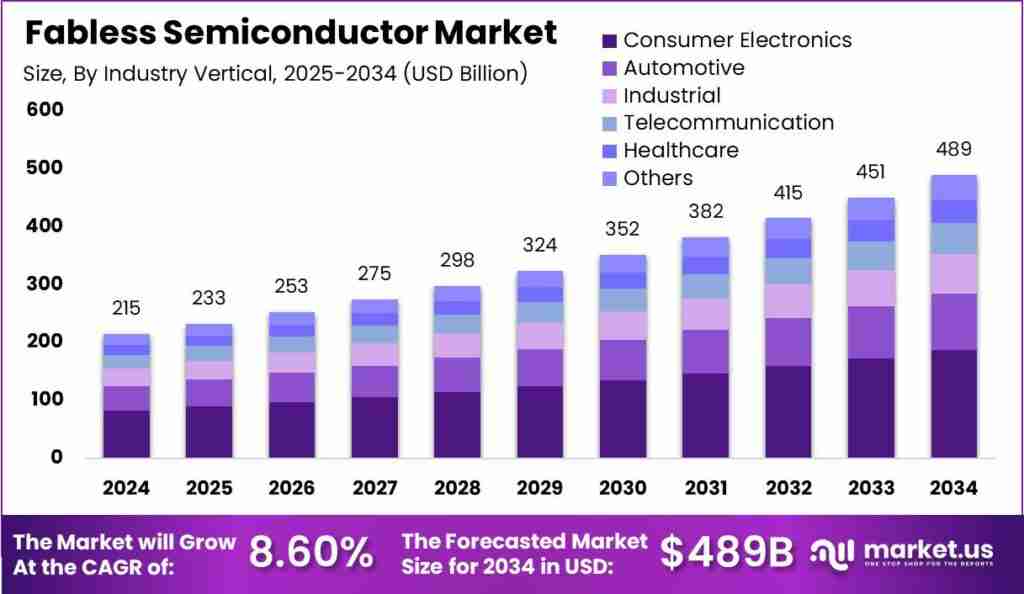 0 Comments 0 Shares 7 Views 0 Reviews
 -
Automation has become a strategic priority for insurers aiming to improve efficiency, accuracy, and scalability. The integration of AI in Insurance supported by machine learning technologies is transforming traditional workflows that once depended heavily on manual intervention. From underwriting and claims processing to customer servicing and compliance checks, automation is enabling insurers to operate faster and more intelligently.
Identify investment opportunities emerging from rapid advancements in the AI in Insurance Market worldwide at: https://market.us/report/ai-in-insurance-market/.
This widespread deployment of intelligent automation is a key growth engine within the AI in Insurance Market, as organizations seek to modernize legacy systems and reduce operational overhead.
Machine learning, a subset of AI, allows systems to learn from historical data and improve decision-making over time. In insurance, machine learning models analyze claims data, customer profiles, and risk factors to automate complex evaluations that previously required human expertise.
The ability of machine learning to continuously refine its predictions is expanding the practical applications of AI in Insurance across departments.
Underwriting involves extensive data analysis and risk evaluation. AI-powered systems automate document verification, data extraction, and risk scoring, significantly reducing processing time. Policies that once took days to approve can now be issued within minutes.
This efficiency is accelerating adoption across the AI in Insurance Market as insurers strive for faster service delivery.
Claims management is one of the most resource-intensive processes in insurance. Machine learning algorithms analyze images, documents, and historical data to validate claims automatically. This reduces delays and ensures consistent assessments.
Automated claims handling is one of the strongest contributors to growth in the AI in Insurance Market.Automation has become a strategic priority for insurers aiming to improve efficiency, accuracy, and scalability. The integration of AI in Insurance supported by machine learning technologies is transforming traditional workflows that once depended heavily on manual intervention. From underwriting and claims processing to customer servicing and compliance checks, automation is enabling insurers to operate faster and more intelligently. Identify investment opportunities emerging from rapid advancements in the AI in Insurance Market worldwide at: https://market.us/report/ai-in-insurance-market/. This widespread deployment of intelligent automation is a key growth engine within the AI in Insurance Market, as organizations seek to modernize legacy systems and reduce operational overhead. Machine learning, a subset of AI, allows systems to learn from historical data and improve decision-making over time. In insurance, machine learning models analyze claims data, customer profiles, and risk factors to automate complex evaluations that previously required human expertise. The ability of machine learning to continuously refine its predictions is expanding the practical applications of AI in Insurance across departments. Underwriting involves extensive data analysis and risk evaluation. AI-powered systems automate document verification, data extraction, and risk scoring, significantly reducing processing time. Policies that once took days to approve can now be issued within minutes. This efficiency is accelerating adoption across the AI in Insurance Market as insurers strive for faster service delivery. Claims management is one of the most resource-intensive processes in insurance. Machine learning algorithms analyze images, documents, and historical data to validate claims automatically. This reduces delays and ensures consistent assessments. Automated claims handling is one of the strongest contributors to growth in the AI in Insurance Market.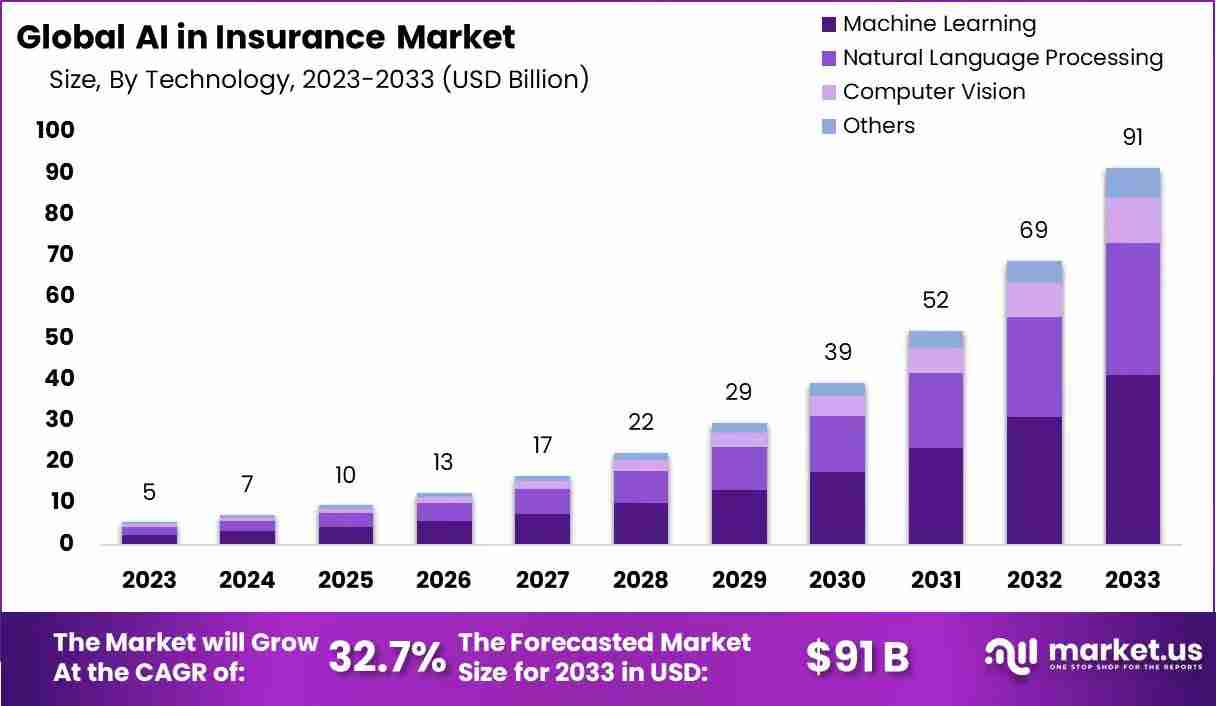 0 Comments 0 Shares 7 Views 0 Reviews
More Stories